Dragon’s Dogma 2 was at its best when it stopped feeling like a conventional open-world RPG and became an adventure I had to work for. A journey across the wilderness could turn into a desperate fight for survival, a seemingly manageable encounter could spiral out of control, and my Pawns could be the difference between making it back alive and watching an expedition fall apart. Yet that same unpredictability often worked against the game, particularly when repetitive encounters and awkward progression made the journey feel longer than it needed to be.
AT A GLANCE
Developer: Capcom
Publisher: Capcom
Genre: Action RPG
Platform: PS5
Release date: October 9, 2026
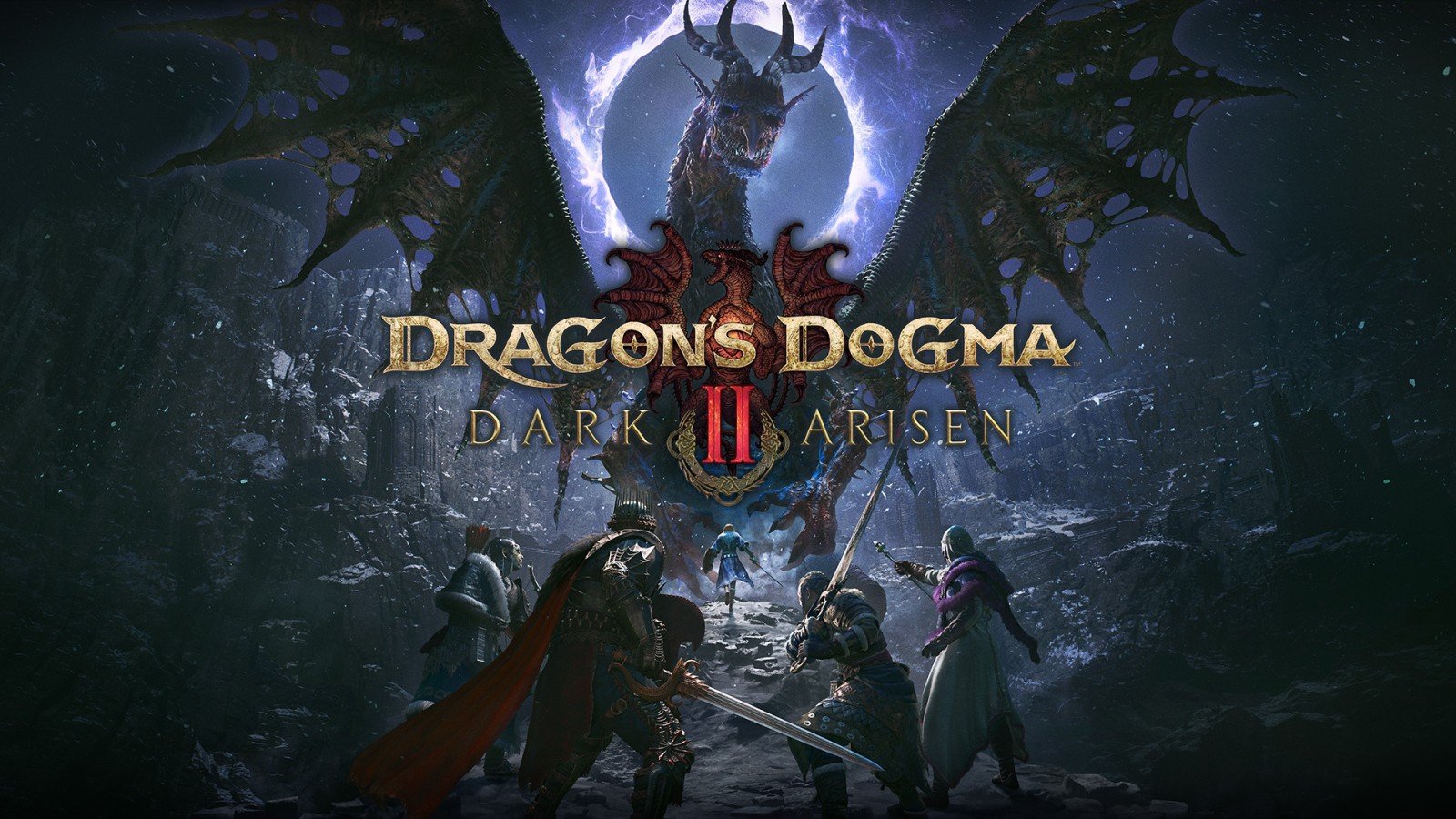
With Dragon’s Dogma 2: Dark Arisen, Capcom returns to that formula with a clear purpose. This expansion introduces the snowy northern region of Norgan, a new narrative centred on a mysterious woman named Eir and an ominous Fallen Dragon, twelve dungeon challenges, and additional character customisation options.
The important question is whether Dark Arisen meaningfully develops the experience or simply gives players more of the same. More monsters, more equipment and another stretch of wilderness would not necessarily be enough. What Dragon’s Dogma 2 needed was a reason to make its world feel dangerous again, without making the act of travelling through it an exercise in patience.
Story
One of the biggest problems with Dragon’s Dogma 2 was that its world often felt more interesting than the story unfolding within it. The journey could be memorable, but the people and political conflicts surrounding the Arisen did not always receive enough development to make the larger narrative as compelling as the adventure itself. Dark Arisen has an opportunity to correct that imbalance, and its northern setting gives the story a stronger sense of mystery from the outset.
The expansion takes us to Norgan, a long-abandoned region where a mysterious woman named Eir is pursuing the secrets of the Fallen Dragon. This is no ordinary creature waiting at the end of another monster hunt. Its unnatural existence is tied to the region’s history and the destruction that has left its settlements and civilisation in ruins. The story gradually draws the player into that mystery while introducing characters whose experiences are tied to Norgan’s fate.
What makes this setup appealing is the relationship between the setting and the narrative. Norgan is a place that invites questions. Why was it abandoned? What happened to the people who once lived there? And what does the Fallen Dragon represent beyond another formidable enemy? These questions give exploration a purpose beyond collecting equipment or clearing another group of monsters.
Eir also gives the central mystery a recognisable human focus. Rather than relying exclusively on scattered lore and environmental storytelling, the expansion has recurring characters who can develop across several quests. That provides more room for relationships and motivations to take shape, something the base game could have handled more consistently. The result is a narrative that feels more deliberately structured, with the mysteries of the region and the fate of its inhabitants working towards a common destination.
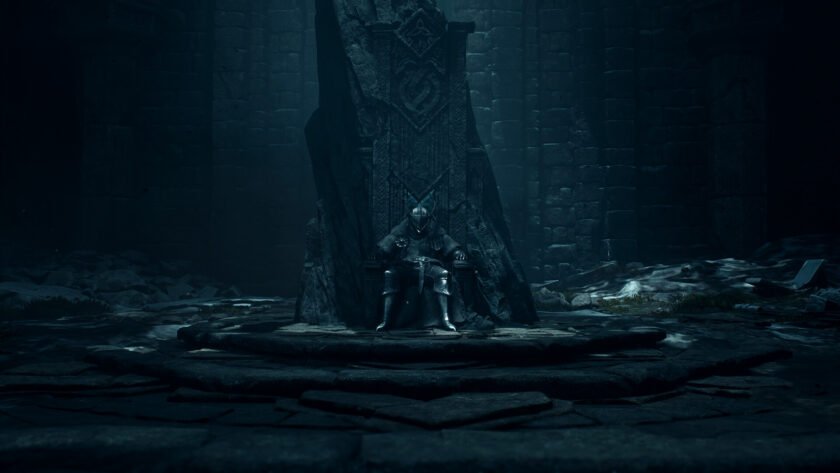
I particularly like the idea of making the journey north feel like an expedition into a fallen civilisation rather than simply introducing another large map. Ruins and abandoned settlements are much more interesting when they suggest a history that existed before the player arrived. When the narrative gives these places context, exploration becomes part of the storytelling instead of an activity running parallel to it.
It’s also worth noting that the expansion doesn’t limit its story to the new region. The twelve Lost Rites dungeon challenges gave me a reason to revisit familiar locations across the existing world, adding extra lore and rewards along the way. They are a welcome addition, even if every challenge doesn’t feel equally interesting or offer the same depth.
What I appreciate most about Dark Arisen’s narrative direction is its focus. Norgan gives the expansion a distinct identity, Eir offers a compelling figure through whom its mysteries can unfold, and the Fallen Dragon introduces a threat that feels genuinely unsettling. For me, that is a far more appealing foundation than simply sending players back through the original game’s journey with tougher enemies and better rewards.
Gameplay
Combat has always been the reason to play Dragon’s Dogma 2. There is a physicality to its encounters that many open-world RPGs struggle to replicate. Heavy weapons have a satisfying sense of weight, climbing onto enormous creatures turns battles into miniature struggles for survival, and the different vocations encourage players to approach a fight from entirely different angles. Dark Arisen builds on these strengths by giving the combat a more demanding context.
Norgan is designed to challenge players who have already grown comfortable with the original game’s encounters. Enemies are tougher, equipment becomes more important, and simply relying on the levels and statistics accumulated during the main campaign is not necessarily enough. The expansion’s progression is built around finding better gear, adjusting equipment to suit the threats ahead and gradually becoming capable of surviving increasingly dangerous expeditions.
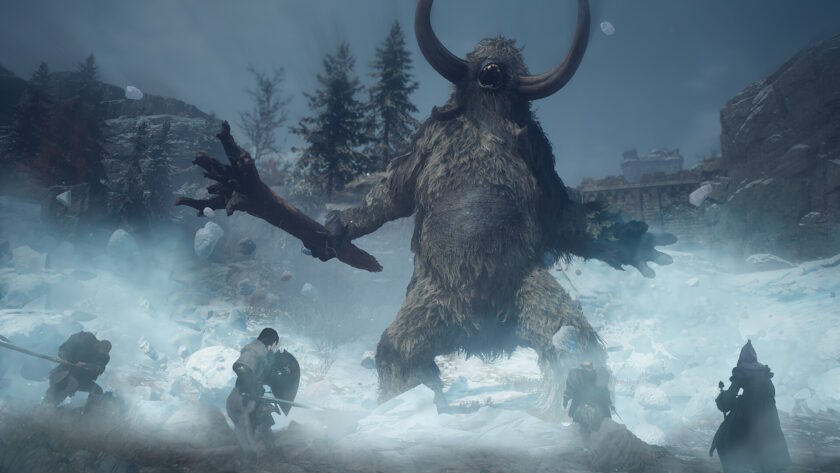
I think this is a smart way to extend an RPG that could eventually become too comfortable. In the base game, the satisfaction of building a powerful character can gradually turn into a problem when ordinary encounters stop demanding much thought. By making equipment and preparation more consequential, Dark Arisen gives players a reason to reconsider how they approach combat instead of simply relying on the same familiar routine.
That emphasis on equipment also feeds into the expansion’s Relic Expedition Cycle. Players discover spoils through exploration and combat, then have them appraised to reveal potentially valuable weapons and equipment. Better reward tiers become available as the story progresses, creating a loop in which every expedition has the potential to improve the next one. The attraction is not merely finding a stronger sword. It is having a tangible reason to investigate a dangerous ruin, take a detour into hostile territory or face a monster that might otherwise be easier to avoid.
The system should appeal to anyone who enjoys the anticipation of discovering rare equipment. However, randomised rewards inevitably introduce an element of repetition. Players who want a specific item or prefer carefully planned progression may find the process frustrating, particularly when a difficult encounter does not produce a meaningful upgrade. The distinction between an engaging loot hunt and an unnecessary grind depends on how consistently the rewards justify the effort.
The combat itself benefits from the expansion’s increased difficulty. More resilient enemies demand greater attention to positioning, stamina, party composition and the strengths of individual vocations. The best Dragon’s Dogma encounters are rarely just a matter of attacking until an enemy falls. They involve recognising an opening, responding to a changing situation and making effective use of the abilities available to the party.
The Pawns remain central to that experience. These AI-controlled companions are more than disposable support characters: they provide assistance in combat, contribute their vocation-specific abilities and can influence how an encounter unfolds. Preparing a balanced party becomes particularly important when enemies are capable of punishing a poorly equipped or badly organised group. The expansion’s difficulty gives that preparation more significance.
There is a caveat, though. Greater difficulty does not automatically mean better combat. Enemies that simply absorb more punishment can make encounters exhausting rather than engaging, especially when the player has to repeat a lengthy fight. Dark Arisen’s strongest encounters are those that require adaptation, not merely patience. Tougher statistics alone cannot compensate for limited enemy variety.
That limitation is worth noting because the expansion still reuses some familiar opponents. There are new enemy types, but not every encounter offers something genuinely different. Norgan’s environmental hazards and more demanding fights help keep things interesting, yet experienced players may recognise familiar combat patterns beneath the harsher difficulty.
The new progression systems add another layer to character building. There are no entirely new vocations to master, but equipment perks and permanent upgrades discovered through Obelisks expand the possibilities for existing builds. This gives returning players more reasons to experiment with their preferred fighting style rather than requiring them to abandon it for a completely different class.
The twelve Lost Rites dungeons provide another welcome addition. Their appeal lies in the opportunity to explore compact, purpose-built challenges and earn rewards that are not simply handed out by the main story. Some are more substantial dungeon crawls, while others are shorter sequences of combat encounters. That inconsistency means they are not all equally memorable, but the stronger challenges give players useful reasons to revisit the wider map and experiment with different party setups.
Exploration also gets a different flavour in Norgan. The northern environment features blizzards, difficult terrain and cold that drains stamina unless players prepare with appropriate thermal armour and items such as Heatstones. These mechanics are not designed to turn the game into a dedicated survival simulator. Instead, they add another consideration to an already familiar journey: deciding how far to push into hostile territory before returning to safety.
This is where Dark Arisen seems most successful in principle. It connects exploration, preparation, combat and rewards into a single loop. The danger of travelling through Norgan matters because there is something worth finding, and the equipment found along the way makes future expeditions more manageable. When that loop works, even a simple journey can feel worthwhile.
The downside is that players who disliked the base game’s combat or its reliance on repeated encounters are unlikely to have a complete change of heart. Dark Arisen improves the reasons to engage with those systems, but it does not transform Dragon’s Dogma 2 into a different kind of RPG. The same deliberate movement, stamina management and sometimes messy group encounters remain part of the experience.
Visuals, audio and technical performance
Norgan gives Dark Arisen a visual identity that distinguishes it from the landscapes of the original game. Its snow-covered mountains, exposed passes, ruined settlements and increasingly hostile weather create a convincing sense of travelling into a place where civilisation has struggled to survive. The environment is not simply a colour swap for the original world. Its geography and weather are connected to how players move, explore and fight.
The contrast between open stretches of snow and the imposing terrain of the northern mountains is particularly effective. Long sightlines invite players to look towards distant landmarks, while narrow paths and difficult slopes make the journey less straightforward than the scenery might initially suggest. The region’s blizzards also give the landscape a more threatening character, reducing visibility and reinforcing the sense that the wilderness is something to contend with rather than merely admire.
What I appreciate most about this approach is that the environment has a practical purpose. Dragon’s Dogma 2 has always been at its most compelling when the world interferes with the player’s plans. A difficult route can make a short journey unexpectedly dangerous, and a fight in the wrong place can quickly become a disaster. Norgan builds on that idea by using its terrain and environmental hazards to influence how encounters unfold.
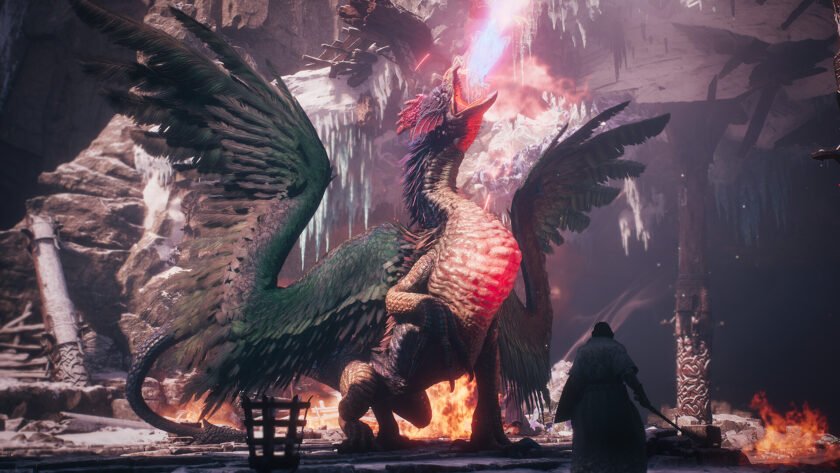
The new region also benefits from the game’s established creature animation and combat presentation. Large enemies have a physical presence that makes fighting them feel different from trading blows with ordinary opponents. When combat breaks out in difficult terrain, the surrounding landscape can make an already chaotic encounter more unpredictable. It is a natural fit for a game whose most memorable moments often emerge from interactions between its systems.
There is, however, a limit to how much a new environment can disguise familiar content. Snowy landscapes and dramatic ruins can make encounters visually striking, but they cannot completely compensate for reused enemy designs or repetitive objectives. Dark Arisen’s setting is one of its strongest assets, although the underlying variety of its encounters remains important to keeping the adventure fresh.
The soundtrack is another welcome part of the package. The expansion’s music contributes to the atmosphere of the northern expedition, complementing the shift from open exploration to the tension of combat and major encounters. The existing game’s sound design already gives its battles a satisfying sense of impact, and the expansion has opportunities to build on that foundation. The overall presentation is strongest when the music and environmental atmosphere work together to make a journey feel consequential rather than routine.
Conclusion
Dragon’s Dogma 2: Dark Arisen makes a convincing case for returning to Capcom’s fantasy world. Norgan provides a fresh setting with a distinct atmosphere, the Fallen Dragon gives the story an intriguing central mystery, and the more demanding encounters offer a reason to rethink equipment, party composition and combat strategy. The expansion’s best idea is not any single new monster or dungeon. It is the way exploration, equipment progression and difficulty reinforce one another.
It offers more compelling reasons to explore, more demanding fights and a new setting that feels worthy of the journey. Players who already enjoy the combat and emergent adventures will find plenty to sink their teeth into. Those who found the original repetitive may still run into the same frustrations, only with more snow and considerably tougher enemies.
9/10