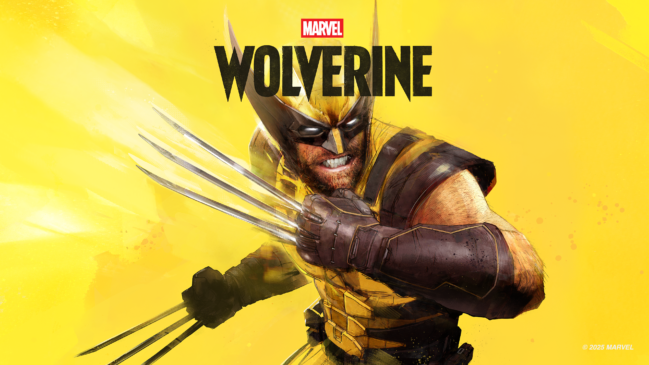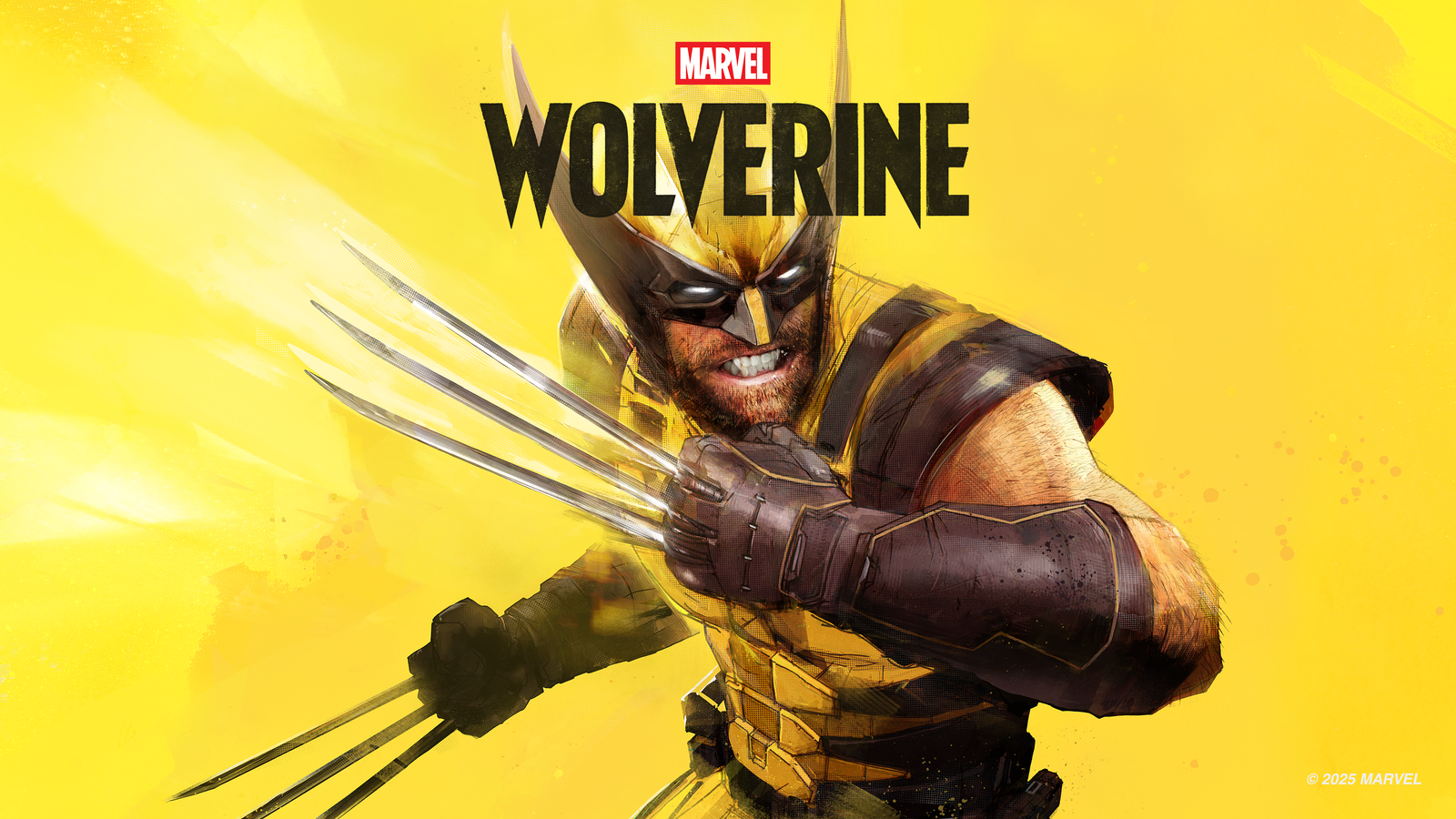
Logan has spent decades being one of Marvel’s most brutally effective characters, but translating that brutality into a game is a different challenge altogether. A Wolverine game can’t simply give players a pair of claws and let them loose on a crowd. The violence has to feel physical, the healing factor has to matter, and, most importantly, there needs to be a reason for Logan to keep fighting beyond the next enemy encounter.
Insomniac Games takes that challenge head-on with Marvel’s Wolverine, its first major departure from the Spider-Man formula. This is a more concentrated and considerably harsher action game, built around a character whose personality is defined as much by restraint as it is by rage. Logan can tear through opponents with frightening efficiency, yet the character remains compelling because every outburst of violence sits against his constant struggle to control it.
That tension gives Marvel’s Wolverine its identity. Insomniac isn’t merely asking what it would be like to play as Wolverine. It’s asking what it means to live with everything that comes with being him, and that distinction shapes much of the adventure that follows.
Story
Marvel’s Wolverine opens with a Logan who has already spent years trying to leave Wolverine behind. Three years after walking away from Team X, he finds himself pulled back into the world he tried to escape when mutants begin disappearing. Bolivar Trask and his Reavers are behind the kidnappings, and what initially looks like another fight to protect innocent mutants gradually becomes something much more personal for Logan.
That setup gives Insomniac a useful way of exploring Wolverine without retelling his origin. Logan already knows what he is capable of. The question is whether he can live with it. His forgotten past and fractured memories become increasingly important as the story progresses, forcing him to confront parts of his history that he would rather leave buried. I particularly like that the game doesn’t treat Wolverine’s past as simple backstory. It constantly affects his relationships, his decisions and the way he sees himself.
Jean Grey is also an important part of the story, rather than simply another recognisable Marvel character inserted for fan service. Her relationship with Logan gives the quieter sections some much-needed emotional weight, while the larger conflict involving Trask and the captured mutants gives his personal struggle a wider purpose. The journey across Canada, Japan and Madripoor also gives the campaign a welcome sense of scale without turning it into another sprawling open-world superhero adventure.
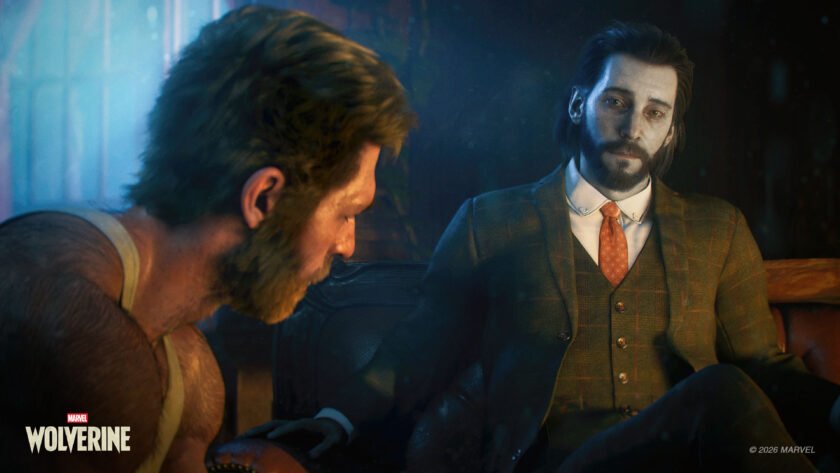
Where the story occasionally loses its footing is in its attempt to balance Logan’s internal conflict with a much larger mutant conspiracy. The personal material is generally more interesting because it gives the violence a human consequence. The broader plot, meanwhile, sometimes feels like it exists primarily to move Logan from one confrontation to the next.
Still, the central character work carries the campaign. This isn’t a story about Wolverine discovering that he can be a hero. It’s about a man who already knows exactly how dangerous he can be and is trying to decide what he wants that power to mean. That makes Logan’s quieter moments just as important as the scenes where his claws come out.
Gameplay
The biggest question with Marvel’s Wolverine is also the simplest: does it actually feel like playing as Wolverine? For the most part, the answer is yes. Insomniac has built the combat around getting Logan into close quarters and making those encounters feel physical. His claws aren’t just another set of weapons. They dictate the rhythm of combat, with quick strikes, kicks, lunges, parries and finishing attacks working together to make Logan feel like a fighter who is constantly moving forward rather than waiting for an opening.
The combat becomes more interesting once the Rage system starts feeding into it. Attacking aggressively builds Rage, which can be pushed through three tiers, gradually turning Logan into a more dangerous version of himself. At higher levels, he becomes considerably more destructive and gains access to devastating critical attacks, while the Last Stand mechanic can bring him back from the brink of death.
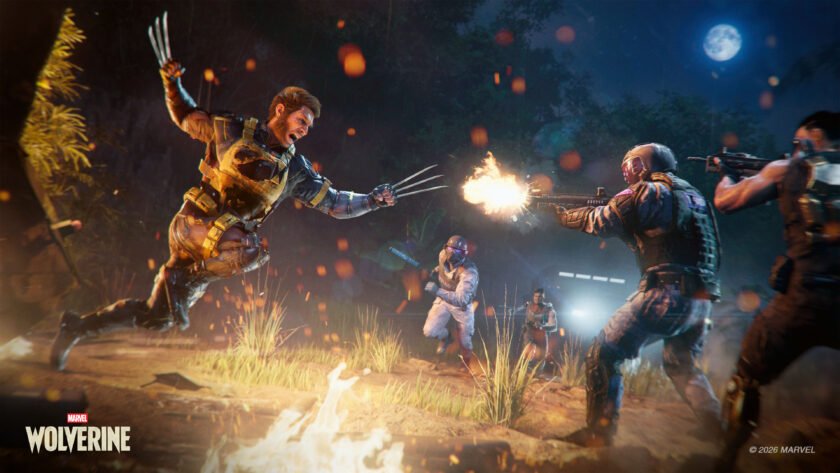
I particularly like how this encourages you to play aggressively. Wolverine is not a character who should feel comfortable standing at the edge of an arena and picking enemies apart. The game rewards you for getting stuck into groups, taking risks and maintaining momentum. His healing factor also changes the usual action-game dynamic because taking damage isn’t necessarily a disaster. You can absorb punishment that would force another protagonist to retreat, then use your abilities to recover and keep going.
There is more variety here than the basic claw attacks initially suggest. Special Techniques can be equipped and upgraded, allowing you to tailor Logan towards different approaches. Some abilities are designed for clearing groups, others for interrupting stronger enemies or closing distance, while Adaptations provide longer-term upgrades. Stealth also has a place in the arsenal, with Logan’s heightened senses allowing him to track enemies and initiate attacks from advantageous positions.
The linear structure is also a good fit for this particular game. Rather than filling the map with distractions and optional activities, Insomniac keeps the focus on moving through environments, fighting, investigating and progressing the story. There are opportunities to explore and find collectibles, but the game rarely loses sight of its central purpose. That gives the campaign a much more deliberate pace than an open-world superhero game.
Where the gameplay is less convincing is in how quickly its basic combat language becomes familiar. Once you’ve learned the fundamental rhythm of attacking, dodging, parrying and building Rage, many encounters start asking you to repeat variations of the same process. The additional Techniques give you more toys to play with, but they don’t completely transform the underlying combat system.
That makes progression important. The further I got into the game, the more enjoyable the combat became because I had enough abilities to approach encounters with some creativity. Early on, however, there is a temptation to simply charge into a group and start swinging. Wolverine can survive an extraordinary amount of punishment, and that can sometimes reduce the incentive to master the defensive mechanics.
Ultimately, the gameplay succeeds because it understands the fantasy at its core. This isn’t about making Logan into an acrobatic superhero who gracefully dances around every enemy. He’s a walking weapon who gets hurt, gets angrier and keeps coming. When the combat lets that idea take over, Marvel’s Wolverine is at its most satisfying.
Visuals, Audio and Technical Performance
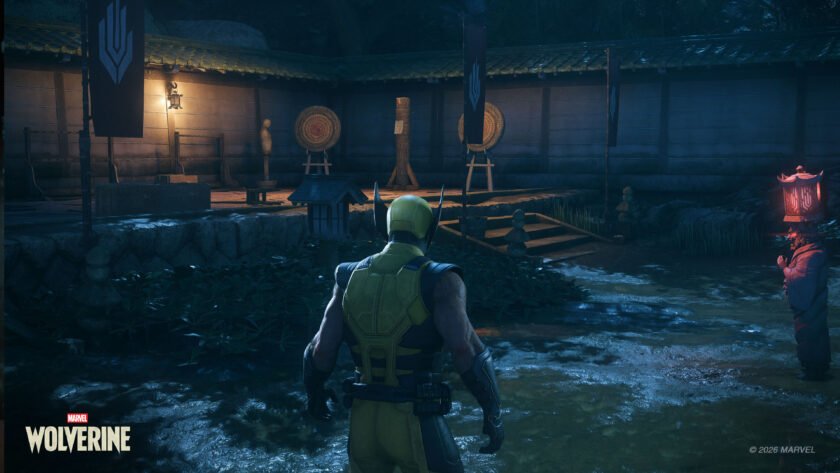
Marvel’s Wolverine is an impressive-looking game, but what stands out isn’t simply its resolution or character detail. Insomniac has done a good job giving each location its own visual identity. The Canadian wilderness has a cold, rugged atmosphere, while Madripoor is denser, dirtier and more chaotic. Japan provides a sharper contrast, with quieter environments and a more controlled visual composition. The game also makes good use of environmental destruction during combat, which helps the world feel less like a collection of static arenas.
Logan himself is particularly well realised. His model looks excellent in both gameplay and cinematics, and the damage system gives his appearance a sense of progression during particularly violent encounters. Seeing his clothes and body deteriorate as a fight continues is a small but effective touch that reinforces the physical punishment he’s taking. The facial animation is also strong, especially during the quieter scenes where the game relies on expression rather than dialogue to sell Logan’s mood.
There are some rough edges. Fine details can occasionally shimmer, and some lighting doesn’t have quite the natural quality of the game’s strongest outdoor scenes. Character models can also vary slightly in quality, with a few faces looking noticeably less convincing than Logan himself. These aren’t major problems, but they’re visible when the camera gets close.
The audio design is arguably just as important as the visuals. The sound of Logan’s claws cutting through enemies has the weight you’d expect, while impacts, screams and environmental destruction give combat a suitably vicious character. The soundtrack knows when to push the action and when to step back during the more reflective moments. Liam McIntyre’s performance is central to the presentation, giving Logan a voice that can move from controlled and weary to genuinely intimidating without turning him into a caricature.
On the base PS5, the technical presentation is strong. The two main visual modes make a familiar trade-off: Performance prioritises a smoother 60fps experience, while Fidelity sacrifices frame rate for a sharper image and greater visual detail. Based on technical analysis, Performance mode operates at a lower internal resolution but maintains the responsiveness that matters most during combat, while Fidelity pushes image quality considerably higher at 30fps. The base PS5 can also make use of 40fps and unlocked VRR options when paired with a compatible 120Hz display.
I would personally stick with Performance mode. Wolverine’s combat is built around quick reactions, parries and rapid movement, and the difference in responsiveness is more meaningful to me than the additional visual detail offered by Fidelity. The image is softer in Performance, but it still looks very good during normal play, and the consistency of motion makes the game feel considerably better when the claws come out.
Loading is also impressively quick, with the PS5’s SSD keeping transitions between the game’s various locations largely unobtrusive. There are occasional visual oddities and minor environmental glitches, but nothing that undermines the overall presentation.
Technically, then, Marvel’s Wolverine doesn’t reinvent what the PS5 can do. What it does instead is use the hardware effectively to create a game that looks convincing in motion, particularly when Logan is tearing through a crowded combat encounter. And for a game whose entire identity revolves around physical impact, that matters more than simply having the prettiest screenshots.
Conclusion
Marvel’s Wolverine is at its best when it stops trying to prove that it is a major Marvel game and simply concentrates on being a Wolverine game. Insomniac understands that Logan’s appeal isn’t just his claws or his healing factor. It is the contradiction between the savage fighter everyone fears and the man underneath who is constantly trying to keep that side of himself under control.
Marvel’s Wolverine isn’t flawless, but it gets the most important thing right: when I’m playing it, I don’t feel like I’m controlling a superhero wearing Wolverine’s costume. I feel like I’m playing Wolverine. For a character who has been waiting this long for his own major game, that’s ultimately what matters.
8/10