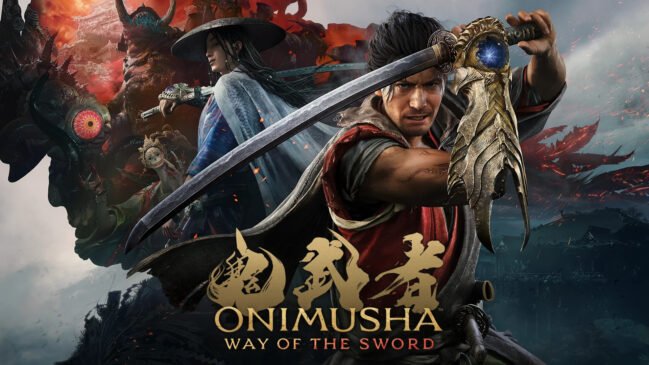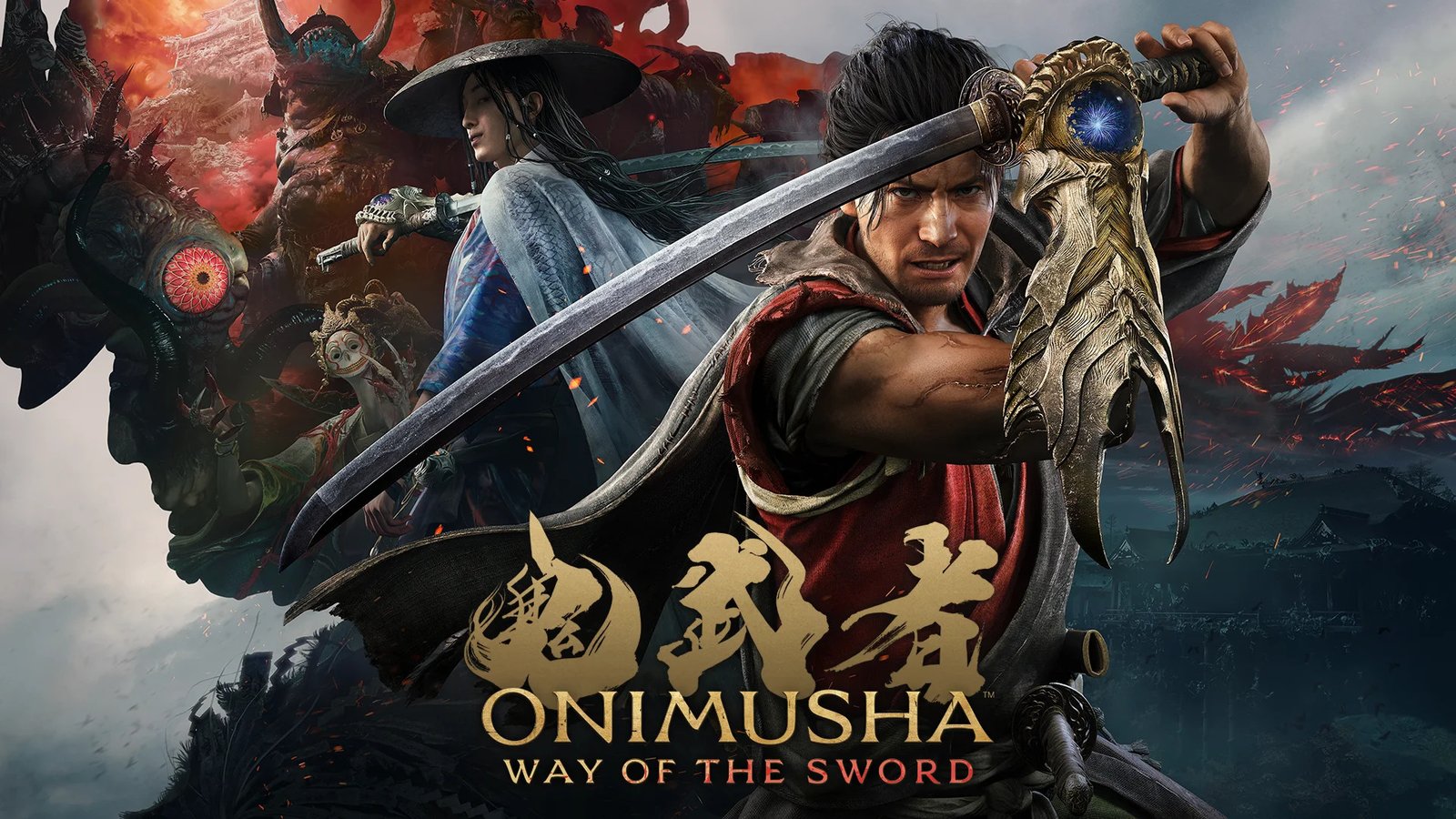
For a series that has been dormant for more than two decades, Onimusha has returned with remarkably little rust to shake off. Capcom’s samurai action franchise disappeared after 2006’s Onimusha: Dawn of Dreams, leaving fans with little more than remasters and memories of its brutal swordplay. Now, Onimusha: Way of the Sword brings the series back with a new protagonist, a new era, and a familiar supernatural menace.
Set in an Edo-period Kyoto twisted by the demonic Genma, Way of the Sword puts you behind the blade of legendary swordsman Miyamoto Musashi. It is immediately recognizable as an Onimusha game, but this isn’t simply a nostalgia trip. Capcom has modernized the formula while keeping its focus firmly on precise, visceral sword combat, creating an experience that feels designed to remind us why this series was so memorable in the first place.
After a 20-year hiatus, that’s a dangerous balancing act. Way of the Sword has to satisfy longtime fans who remember the original games while proving that Onimusha still has a place in a modern action-game landscape dominated by increasingly demanding combat systems. Thankfully, Capcom understands that the best way to bring Onimusha back isn’t to reinvent it completely, but to sharpen what made it special.
Story
Onimusha: Way of the Sword wastes little time reminding you that this is a world where history and supernatural horror collide. Set in Kyoto during the early Edo period, the game presents a city caught in the grip of the Genma, with familiar historical figures and fictional characters thrown into a nightmare of demons, bloodshed, and political turmoil. At the center of it all is Miyamoto Musashi, reimagined here as a young but formidable swordsman who finds himself drawn into a conflict far larger than his own survival.
Musashi is a strong protagonist largely because he doesn’t feel like a conventional chosen one. His journey is driven by curiosity, determination, and a growing understanding of the supernatural forces surrounding him. Along the way, he encounters a colorful cast of allies and enemies, each helping to expand the story beyond a simple tale of samurai versus demons. The relationship between Musashi and these characters gives the adventure some welcome personality, particularly during the quieter moments between battles.
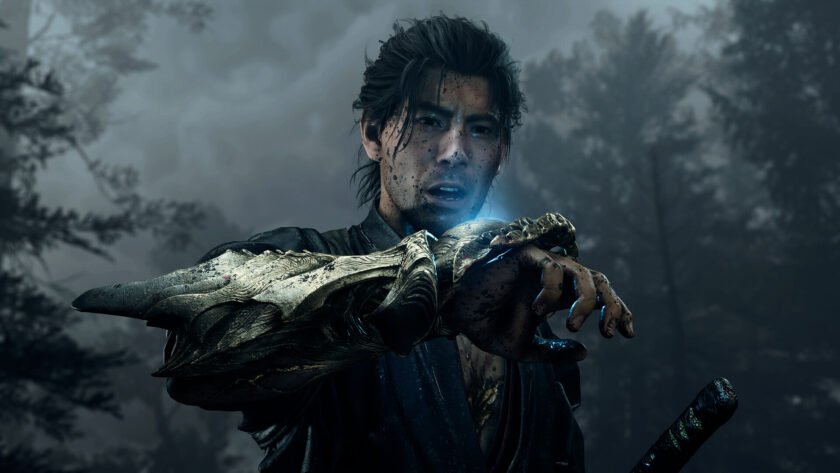
The story itself follows a familiar Onimusha structure, moving between atmospheric exploration, intense encounters, and revelations about the Genma threat. While some of its plot beats can feel predictable, the combination of historical Japan and dark fantasy gives the campaign an identity that separates it from more grounded samurai adventures. Kyoto is particularly effective as a backdrop, with its temples, streets, and traditional architecture transformed into unsettling spaces filled with supernatural danger.
What works best is that Way of the Sword doesn’t allow its narrative ambitions to overwhelm the game. The story is there to give context to Musashi’s journey and keep the momentum moving, rather than becoming an excuse for endless exposition. It occasionally leans heavily into familiar genre conventions, but there is enough mystery surrounding the Genma and Musashi’s role in the conflict to keep the campaign moving forward.
Most importantly, the story understands what makes Onimusha distinctive. This isn’t just another historical samurai tale. It’s a dark fantasy adventure where legendary warriors cross swords with demons, ancient supernatural forces lurk behind Japan’s history, and every victory comes with a little more blood on the blade. That familiar mixture of history, horror, and action remains one of the series’ biggest strengths.
Gameplay
Onimusha: Way of the Sword is at its strongest when it puts a sword in your hands and simply asks you to survive. While the game has plenty of abilities, weapons, upgrades, and supernatural mechanics to experiment with, its combat is ultimately built around a remarkably simple philosophy: learn your enemy, find the opening, and make every strike count. That philosophy gives Way of the Sword a deliberate pace that separates it from the faster, combo-heavy action games it could easily have tried to imitate.
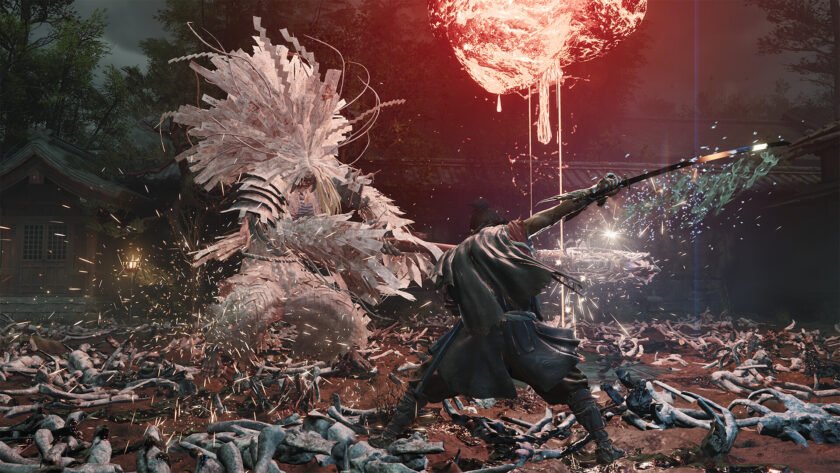
Musashi’s swordplay has considerable weight behind it. Every attack feels like it has commitment, meaning blindly swinging away at enemies is rarely the best approach. Normal attacks can deal with weaker Genma quickly, but tougher opponents force you to pay attention to their movements, defensive stances, and attack patterns. Knowing when to attack is just as important as knowing when to back away, and the game consistently rewards players who resist the temptation to mash buttons.
The defining mechanic, as expected, is the Issen. Timing an attack at precisely the right moment can produce a devastating counter that can instantly change the flow of an encounter. Pulling one off is enormously satisfying because it requires genuine precision rather than simply holding down a defensive button. Once you start understanding enemy attack animations, fights become almost rhythmic. You wait, watch the incoming strike, and respond at the last possible moment.
This creates some of Way of the Sword’s best combat encounters. A group of Genma can initially look overwhelming, but once you learn their tells, the same encounter can turn into a controlled sequence of counters and finishing attacks. Successfully chaining these moments gives Musashi an almost unstoppable flow, but the game is equally happy to punish a mistake. A missed Issen can leave you exposed, and several enemies attacking simultaneously can quickly turn a confident player into a desperate one.
The combat isn’t exclusively about timing counters, either. Musashi has access to different weapons and combat techniques that give you reasons to adapt your approach depending on the situation. Each weapon has its own characteristics and attack patterns, and switching between them helps prevent the combat from becoming a one-button affair. Certain situations naturally encourage experimentation, particularly when facing enemies with different defensive properties or attack ranges.
Then there is the Oni Gauntlet, one of the mechanics that most clearly connects Way of the Sword to its predecessors. Defeated Genma release souls that can be absorbed, providing both a useful resource and an important part of Musashi’s progression. Collecting these souls during battle isn’t simply something you do automatically after every encounter. Their presence creates another consideration during fights, encouraging you to keep moving and manage the battlefield while deciding when it is safe to absorb them.
The supernatural abilities tied to the Oni Gauntlet add another layer to the combat. They can provide powerful offensive options and give Musashi ways to deal with situations where conventional swordplay isn’t enough. Used properly, these abilities can turn a difficult encounter around, but relying on them carelessly can also leave you without the resources you need later. That resource management gives longer encounters a welcome sense of tension.
Progression is similarly straightforward but satisfying. As you explore and fight, you acquire resources that can be used to improve Musashi’s capabilities, making him more effective as the campaign progresses. The system isn’t overwhelmingly complicated, which suits the game’s overall design. There is enough customization to give you a sense of progression without turning the experience into an RPG where you spend more time comparing numbers than actually fighting.
Enemy design is another important part of the experience. The Genma aren’t simply disposable targets placed in your path. Different enemy types have different attack patterns, speeds, ranges, and defensive characteristics, forcing you to adjust your approach. Some can be dispatched quickly if you understand their timing, while others are designed to disrupt your rhythm and force you to prioritize targets.
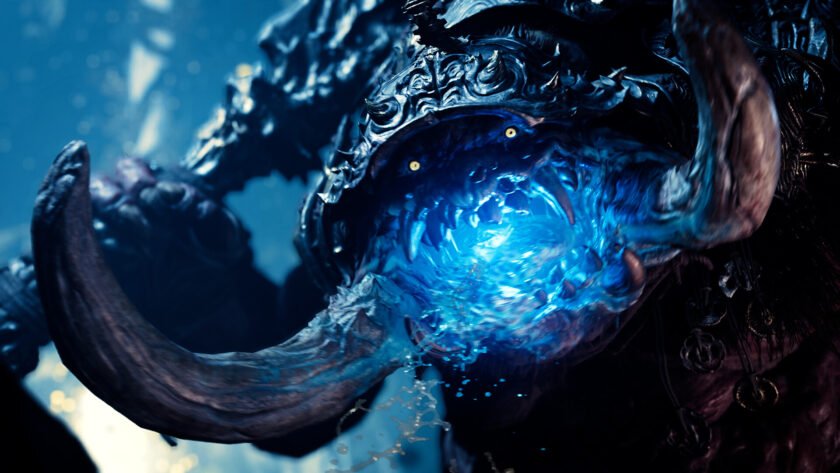
This becomes particularly important when multiple enemy types appear together. A fight against one powerful opponent can be manageable, but introducing several smaller enemies into the same arena changes the equation completely. Suddenly, positioning becomes critical. You have to keep track of what’s happening around Musashi while looking for opportunities to perform an Issen. It is here that the combat feels most demanding, because success isn’t simply about memorizing one enemy’s moves. You have to understand the entire battlefield.
Boss encounters naturally push these mechanics further. Rather than functioning as simple damage sponges, the better fights require you to understand specific attack patterns and recognize opportunities to counter. They provide some of the game’s biggest tests of combat knowledge, particularly when their attacks become faster or their movesets expand during later phases. The satisfaction comes from learning the fight rather than simply overpowering it with upgrades.
Way of the Sword also gives exploration a meaningful role between its larger combat encounters. The environments aren’t completely linear corridors leading from one fight to the next. There are side paths to investigate, hidden items to find, puzzles to solve, and rewards tucked away for players willing to explore. It isn’t quite an open-world approach, and thankfully it doesn’t need to be. The more focused structure keeps the adventure moving while still giving curious players reasons to look around.
Exploration also helps establish the atmosphere of the world. Moving through a seemingly quiet area before suddenly encountering Genma creates a nice contrast between moments of tension and moments of discovery. The game understands that constant combat can become exhausting, so these quieter sections give you an opportunity to take in the environments, search for resources, and prepare for whatever is waiting around the next corner.
There are moments where the relatively traditional structure can feel dated. Players looking for the enormous combo systems, extensive skill trees, or deep character customization of games such as Devil May Cry or Nioh may find Way of the Sword comparatively restrained. It isn’t interested in throwing dozens of mechanics at you just for the sake of complexity. Its depth comes primarily from mastering the mechanics it does have.
That old-school approach ultimately works in its favor. Way of the Sword doesn’t need Musashi to perform a hundred-hit combo or juggle enemies across an entire arena to make combat exciting. The satisfaction comes from smaller moments: recognizing an incoming attack, waiting until the final instant, landing an Issen, absorbing the resulting soul, and immediately turning your attention toward the next threat.
There is a particularly satisfying flow once these systems start working together. Exploration leads to an encounter, combat rewards precise timing, defeated enemies provide souls and resources, and those resources strengthen Musashi for the challenges ahead. The loop is simple, but it remains compelling because the actual swordplay is strong enough to carry it.
After a lengthy absence, Capcom could have attempted to make Onimusha: Way of the Sword into something radically different. Instead, it has chosen to modernize the fundamentals without stripping away the identity of the original games. The result isn’t the deepest samurai combat system around, but it doesn’t need to be. When the game puts you face-to-face with a dangerous Genma, waits for you to make your move, and rewards a perfectly timed strike with a brutal Issen, it captures exactly what makes Onimusha’s combat so satisfying.
Visuals, Audio & Technical Performance
Onimusha: Way of the Sword is a visually striking return for the series, with Capcom using the RE Engine to give its supernatural take on feudal Japan a modern presentation. Rather than relying entirely on spectacle, the game gets much of its visual appeal from the contrast between traditional Japanese environments and the grotesque supernatural forces invading them.
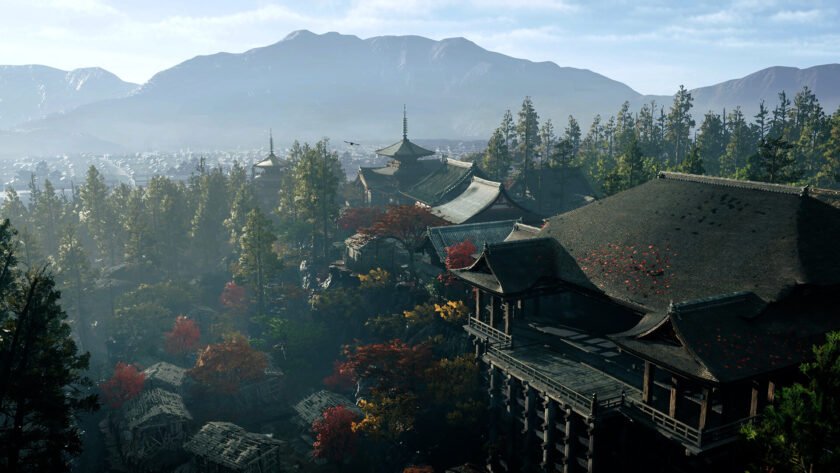
Kyoto is the centerpiece of the presentation. Traditional buildings, temples, forests, shrines, and streets give the game a strong sense of place, while the presence of the Genma gradually transforms these familiar locations into something far more sinister. The combination of historical architecture and dark fantasy works particularly well, giving Way of the Sword an identity that feels distinct from more grounded samurai games.
Lighting plays an important role in establishing that atmosphere. Bright outdoor environments can give way to darker interiors, ruined locations, and areas dominated by the Genma, creating a noticeable shift in tone as Musashi progresses through the story. Fog, shadows, fire, and supernatural effects are used effectively to reinforce the game’s darker mood.
The Genma designs are another visual highlight. They have the exaggerated, otherworldly appearance you’d expect from Onimusha, ranging from imposing humanoid enemies to more grotesque creatures. Their designs also help differentiate the various encounters, ensuring that Musashi isn’t simply fighting variations of the same demon throughout the campaign.
Combat is where the presentation becomes particularly visceral. Musashi’s sword attacks have a satisfying sense of impact, with enemies reacting visibly to successful strikes. The game’s emphasis on dismemberment makes individual attacks feel particularly brutal, while the visual effects surrounding soul absorption add a supernatural quality to the otherwise physical swordplay.
Issen attacks are especially well presented. Successfully landing one produces a dramatic visual payoff that emphasizes the precision of the move. These moments work because the presentation reinforces what makes the mechanic satisfying: you’ve waited for the right opening, timed your attack correctly, and are rewarded with a devastating counter.
Musashi himself is also well animated during combat. His movements have a deliberate quality that suits the weight of the sword, while his attacks can become much faster when chaining techniques together. The difference between cautiously watching an enemy and suddenly cutting through it in a burst of movement gives the combat a strong visual rhythm.
That said, Way of the Sword isn’t consistently a technical showcase. Some environmental assets and textures don’t look quite as impressive when examined closely, and there are occasional moments where the character animation isn’t as convincing outside of combat. These shortcomings are noticeable, but they don’t substantially diminish the overall presentation because the game’s strongest visual qualities come from its art direction and atmosphere.
Audio
The audio design complements the combat particularly well. Sword clashes, enemy attacks, impacts, and successful counters all have distinct sounds that give encounters a greater sense of physicality. With several enemies attacking simultaneously, the soundscape also helps communicate the chaos of a fight and makes every successful defensive maneuver feel more impactful.
The Issen has an especially satisfying audio payoff. The combination of the weapon sound, enemy reaction, and accompanying effects makes a perfectly timed counter feel substantially different from a standard sword strike.
The soundtrack similarly understands when to take a step back and when to become more prominent. Its Japanese influences fit the historical setting, while darker and more dramatic compositions reinforce the supernatural elements of the story. Music becomes particularly important during major encounters, where it helps establish the scale and tension of the situation without completely overwhelming the action.
Environmental audio also contributes to the atmosphere. Quiet areas allow the world to breathe, while more dangerous locations become increasingly dominated by the sounds of combat and supernatural activity. It is a relatively understated part of the presentation, but it helps prevent the environments from feeling like little more than backdrops for sword fights.
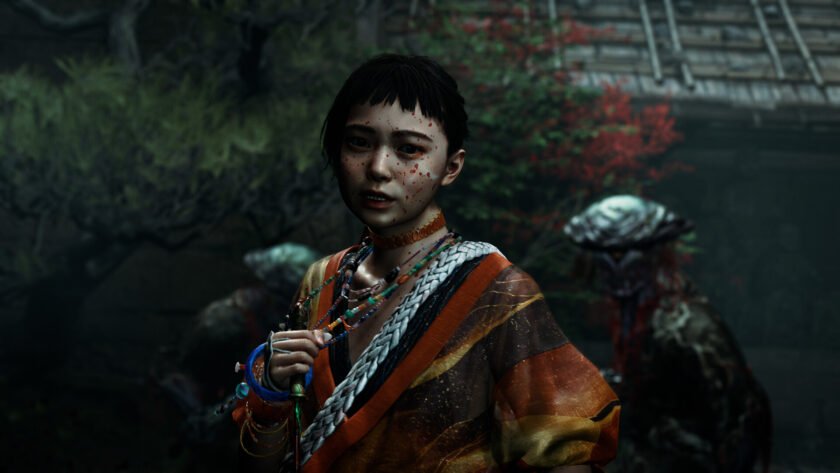
The voice performances are generally effective at bringing the characters to life. The Japanese voice track in particular feels well suited to the setting and tone, while the performances help distinguish the game’s more serious dramatic moments from its supernatural action.
Conclusion
Onimusha: Way of the Sword is a confident return for a series that has been away for far too long. After nearly two decades of waiting, Capcom could have easily overcomplicated the formula or tried to turn Onimusha into something it was never meant to be. Instead, Way of the Sword understands that the series’ greatest strength has always been its swordplay, and it builds the experience around that foundation.
After such a long hiatus, the biggest question was whether Onimusha could still feel relevant. The answer is yes. Way of the Sword doesn’t reinvent the series, and it doesn’t need to. It takes the core ideas that made Onimusha memorable, gives them a modern presentation, and lets the swordplay do most of the talking.
For longtime fans, this is the return they’ve been waiting for. For newcomers, it serves as a strong introduction to a series that has been strangely absent from the modern action-game landscape. Onimusha is finally back, and judging by how well Way of the Sword recaptures the thrill of a perfectly timed blade, it was worth the wait.
10/10