There are certain games that do not just entertain you. They define entire eras of your gaming life. For me, role-playing games have always occupied that space. From sprawling fantasy worlds and meaningful character progression to difficult choices and immersive storytelling, RPGs are the genre that first made me realize games could be more than just a pastime. They could be adventures, journeys, and sometimes even second lives.
That is precisely why Gothic has always fascinated me.
Long before open-world RPGs became the industry standard, Gothic dared to create a world that felt indifferent to the player. It did not treat you as a chosen hero destined for greatness. Instead, it threw you into a brutal prison colony where survival had to be earned, reputations mattered, and every victory felt deserved. It was rough around the edges, unforgiving, and occasionally frustrating, but it possessed a level of immersion that many modern RPGs still struggle to replicate.
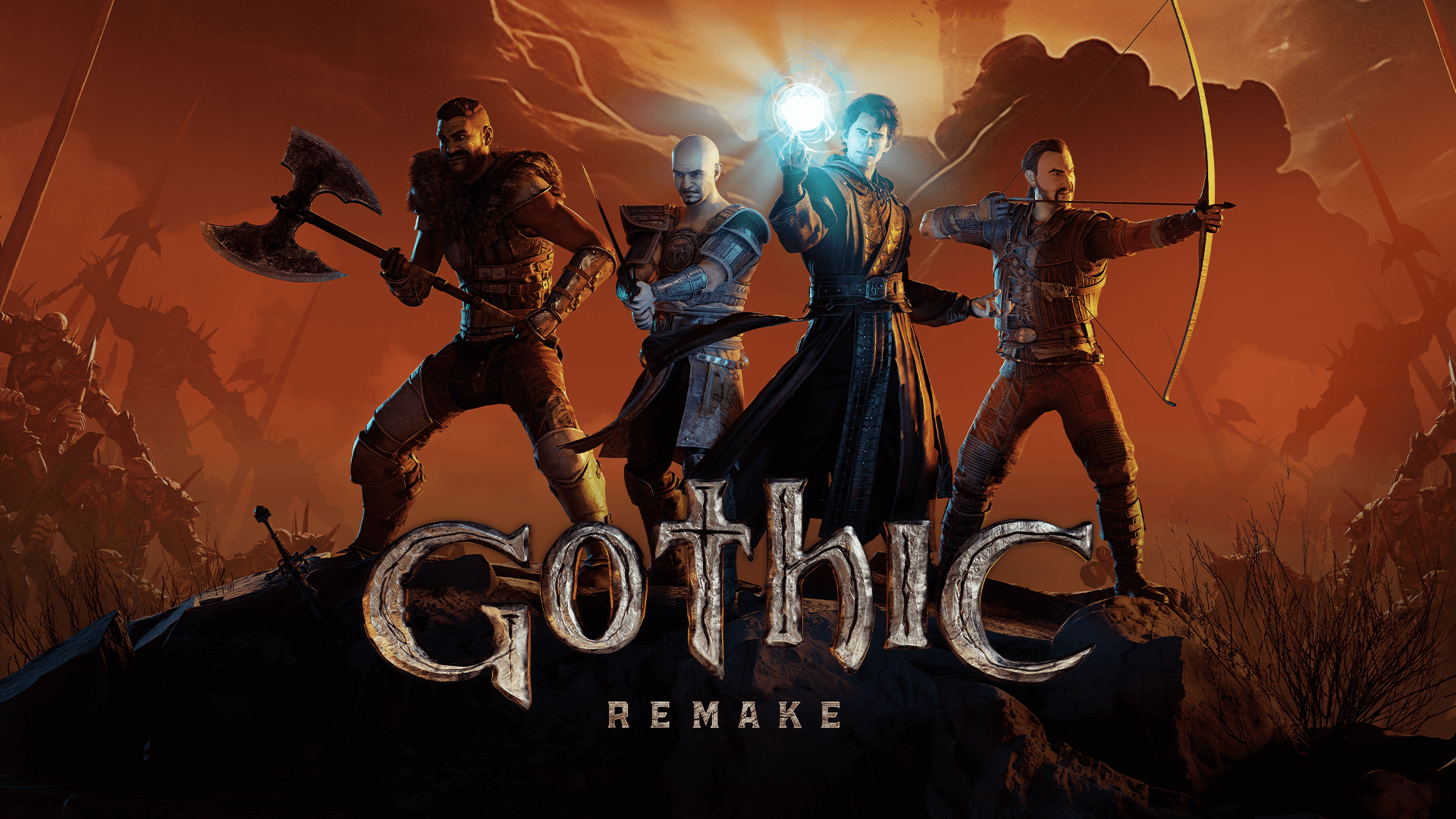
So when the Gothic Remake was announced, I found myself caught between excitement and apprehension. Could a modern studio preserve the unique identity that made the original so beloved while updating it for contemporary audiences? Could it capture that feeling of being a nobody clawing their way up through a dangerous world without sanding away the rough edges that gave Gothic its soul?
After spending time with the remake, I can finally answer those questions.
Story
One of Gothic’s greatest strengths has never been its main plot. On paper, the premise is relatively straightforward. You play as a nameless prisoner cast into a penal colony sealed off from the outside world by a magical barrier. What begins as a simple task gradually evolves into a conflict involving rival factions, ancient secrets, and forces far beyond the understanding of the colony’s inhabitants.
What makes Gothic memorable, however, is not where the story goes, but how it gets there.
The Colony feels less like a video game setting and more like a living society forced to adapt to extraordinary circumstances. With the king unable to control the prisoners trapped within the barrier, power has shifted to competing camps, each driven by its own leadership, ideology, and vision for the future. Rather than presenting a simple struggle between good and evil, Gothic paints a world where survival, ambition, and self-interest shape every decision.

That grounded approach extends to its characters. The people you encounter are not heroic champions waiting for your arrival, nor are they convenient quest dispensers eager to help. They are mercenaries, criminals, opportunists, and survivors, all trying to carve out an existence in a harsh and unforgiving environment. Conversations feel refreshingly authentic as a result. Most characters are suspicious of newcomers, dismissive of your importance, and unwilling to offer assistance unless there is something in it for them.
The remake preserves this atmosphere exceptionally well. The Colony remains a dangerous and oppressive place where trust must be earned rather than freely given. The writing embraces the original game’s pragmatic tone, allowing both the world and its inhabitants to feel believable despite the fantasy backdrop.
What impressed me most was how naturally the game introduces its lore. Instead of relying on lengthy exposition dumps or encyclopedic codex entries, Gothic encourages players to learn through exploration, observation, and conversation. Information is gathered through rumors, personal encounters, and fragments of knowledge scattered throughout the world. As you spend more time in the Colony, its history, politics, and mysteries gradually reveal themselves, creating a genuine sense of discovery.
The result is one of the most immersive settings in the RPG genre. Even decades after the original release, Gothic’s world remains distinctive, and the remake successfully captures the oppressive, dangerous, and strangely captivating atmosphere that made the classic so enduring.
Gameplay
If the story and worldbuilding are what draw you into Gothic, the gameplay is what determines whether you stay.
The original Gothic was never known for accessibility. Its controls were unconventional, combat was often clunky, and progression demanded patience from players willing to learn its systems. For many, those rough edges became part of its charm. The challenge facing the remake was finding a way to modernize those mechanics without stripping away the sense of struggle and accomplishment that defined the experience.
For the most part, it succeeds.
From the moment you arrive in the Colony, Gothic makes it clear that you are not a hero. You begin weak, inexperienced, and entirely unprepared for the dangers that surround you. Even seemingly insignificant enemies can pose a genuine threat, forcing you to approach encounters cautiously rather than charging headfirst into combat. This creates a rewarding sense of progression, as every new skill, weapon, and level gained feels meaningful.
Combat has received one of the most noticeable overhauls. The remake adopts a more fluid and responsive control scheme while preserving the deliberate pacing that characterized the original. Timing, positioning, and stamina management remain important, ensuring that battles are not simply won by mashing buttons. Early encounters can feel punishing, but as your character develops and your understanding of the combat system improves, engagements become increasingly satisfying.
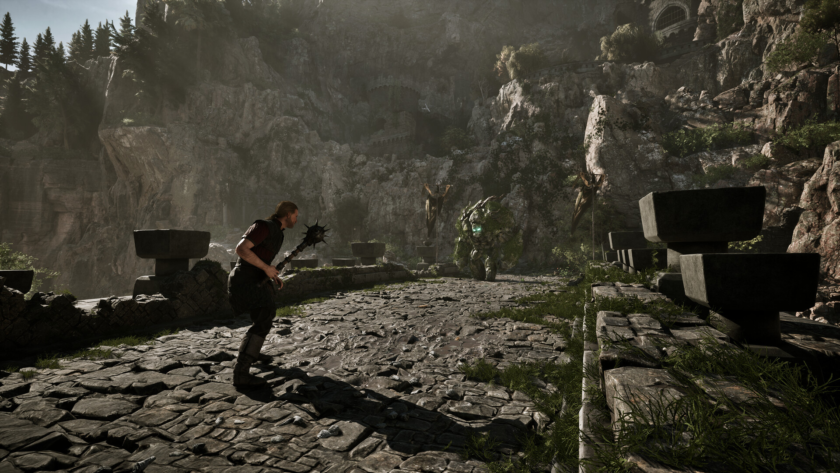
Character progression remains one of the game’s greatest strengths. Rather than showering players with constant upgrades and rewards, Gothic encourages careful specialization. Learning new combat techniques, improving attributes, and mastering professions all require investment and commitment. Every decision carries weight, making character growth feel earned rather than automatic.
Exploration is equally rewarding. The Colony is not designed around a checklist of activities or an endless stream of map icons. Instead, it invites curiosity. Hidden paths, dangerous creatures, valuable resources, and unexpected discoveries are scattered throughout the world, encouraging players to venture beyond the beaten path. The absence of excessive handholding helps create a genuine sense of adventure, where finding something valuable feels like a personal achievement rather than the completion of a waypoint.
Quest design follows a similar philosophy. Objectives often have multiple solutions, and many tasks rely on observation, conversation, and player initiative rather than explicit instructions. While this approach can occasionally lead to moments of confusion, it also fosters a level of immersion that many modern RPGs struggle to achieve. You are not simply following directions; you are actively participating in the world and solving problems within it.
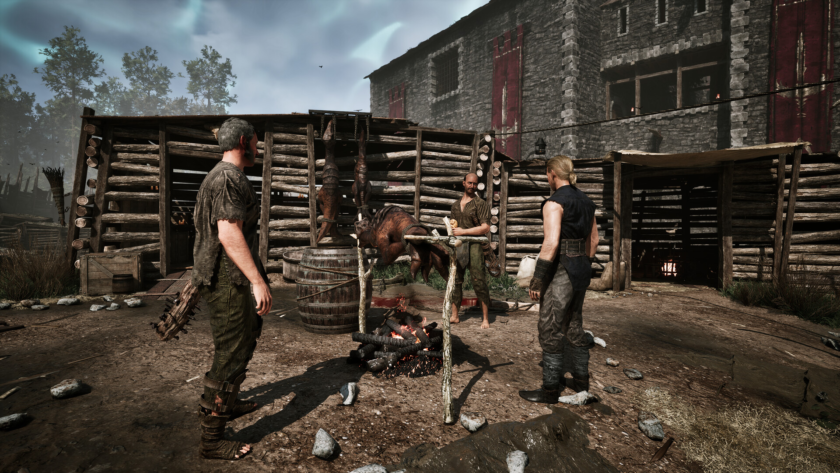
That said, the remake does not completely escape some of the frustrations associated with the original design. Certain mechanics can feel intentionally obtuse, navigation occasionally lacks clarity, and newcomers may find the early hours demanding. Yet these elements also contribute to Gothic’s unique identity. The game rarely bends itself to accommodate the player, and that uncompromising design philosophy remains one of its defining characteristics.
Ultimately, the remake understands what made Gothic special in the first place. Rather than transforming it into a contemporary open-world RPG filled with conveniences and constant rewards, it preserves the sense of vulnerability, discovery, and hard-earned progression that defined the original. The result is a gameplay experience that can be challenging, occasionally frustrating, but consistently rewarding for those willing to embrace it.
Visuals, Audio and Technical Performance
One of the greatest challenges facing any remake is balancing nostalgia with modernization. Improve too little and the experience risks feeling outdated. Change too much and it can lose the identity that made it memorable in the first place. Gothic Remake walks that line surprisingly well.
Visually, the transformation is remarkable. The Colony has been rebuilt from the ground up, bringing a level of detail and environmental storytelling that simply was not possible in the original release. Dense forests, weathered settlements, towering cliffs, and dark cave systems combine to create a world that feels both believable and hostile. Every location carries a sense of history, reinforcing the idea that this is a place where people have been struggling to survive long before the player arrived.
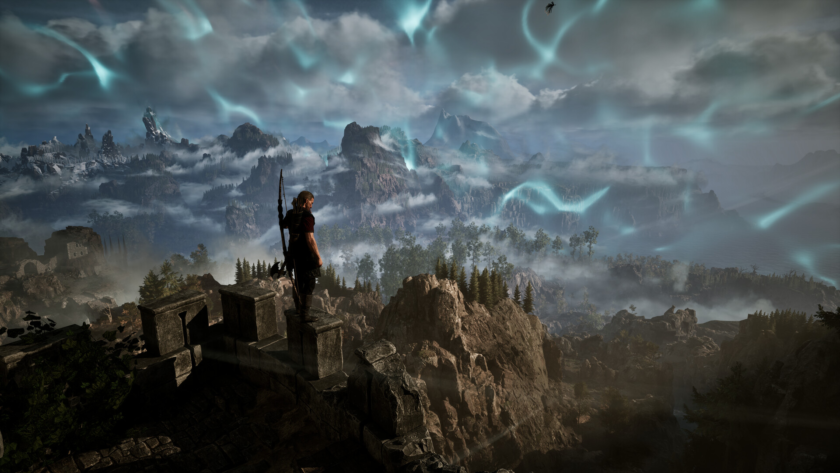
What impressed me most was the atmosphere. Gothic’s world has always been defined by its oppressive tone, and the remake captures that feeling beautifully. The towering magical barrier, the harsh landscapes, and the constant sense of danger lurking beyond the safety of camp walls all contribute to an environment that feels immersive and lived in. Whether you’re wandering through the wilderness at dawn or navigating the shadows of a monster-infested cave, the world consistently maintains its distinct identity.
Character models and animations have also seen substantial improvements. The inhabitants of the Colony feel far more expressive than before, helping conversations carry greater emotional weight. While some facial animations occasionally fall short of the highest standards set by modern RPGs, the overall presentation succeeds in making the world feel more believable and populated by real people rather than quest-giving NPCs.
The audio design plays an equally important role in bringing the Colony to life. Ambient sounds fill the environment with subtle detail, from the crackling of campfires and distant wildlife to the chatter of prisoners going about their daily routines. These elements work together to create a strong sense of place, making exploration feel engaging even during quieter moments.
The soundtrack deserves particular praise. Rather than constantly demanding attention, it often complements the world in subtle ways, enhancing tension, mystery, and adventure when needed. Familiar musical themes have been reimagined with modern production values while preserving the atmosphere that long-time fans will remember. The result is a score that feels respectful of the original while standing confidently on its own.
Voice acting is generally strong across the board. Characters deliver their lines with conviction, helping reinforce the grounded and often cynical tone of the world. Conversations feel natural, and the performances do a good job of conveying the personalities and motivations of the Colony’s diverse inhabitants.
From a technical perspective, the remake delivers a largely stable experience. During my time with the game, performance remained consistent across most situations, allowing exploration and combat to unfold without major interruptions. Load times are reasonable, and the world transitions smoothly between its various regions. While I did encounter occasional visual glitches and minor animation oddities, they were infrequent and never significantly impacted the overall experience.
Like many ambitious RPGs, Gothic Remake is not entirely free of technical imperfections. A few rough edges remain, and players may occasionally encounter small bugs or inconsistencies. Fortunately, these issues rarely detract from the experience in a meaningful way and are overshadowed by the strength of the game’s atmosphere and world design.
Final Thoughts
Gothic Remake understands something that many modern remakes often forget. Updating a classic is not simply about improving visuals, modernizing controls, or expanding content. It is about preserving the identity that made the original worth revisiting in the first place.
What made Gothic special was never its combat system, graphical fidelity, or even its main story. It was the feeling of being a nobody in a world that did not care about you. A world where trust had to be earned, progress required effort, and every success felt genuinely rewarding. That sense of vulnerability, discovery, and hard-earned achievement remains at the heart of the remake.
8.5/10