When Diablo IV finally launched, it carried enormous expectations as Blizzard’s long-awaited return to the dark, loot-driven formula that defined the genre. While its core combat and atmosphere impressed, its evolution has largely been shaped post-launch through seasonal updates and expansions. The seasonal model steadily reworked progression and endgame systems, while Vessel of Hatred marked a turning point, introducing broader structural changes that helped refine its identity.
Lord of Hatred arrives as the game’s most ambitious evolution yet, building on that foundation. Framed as a darker, more focused chapter, it signals a shift in tone and intent, setting the stage for something more deliberate and cohesive.
Stepping into it, I immediately felt that change. There’s a heavier mood to everything, a sense that Diablo IV is finally settling into itself. In my early hours, I found myself drawn in by its pacing and newfound confidence, curious to see how far that direction carries through the rest of the experience.
AT A GLANCE
Platform: PC, PS5, Xbox Series X|S
Developer: Blizzard Entertainment
Release Date: April 28, 2026
Genre: Action RPG
Story
Story has always been where Blizzard Entertainment flexes its production muscle, and Lord of Hatred is no exception. The cinematics are, unsurprisingly, exceptional. They are rich in detail, meticulously directed, and elevated by a sense of scale that few studios can consistently match. Every major beat feels considered, with performances and framing that sell both intimacy and sheer magnitude.
What stands out more this time is how confidently the narrative leans into its darker tone. There is a steady undercurrent of dread that builds across the campaign, with moments of genuine suspense that are not just carried by spectacle, but by restraint. It takes its time and lets tension simmer before delivering its biggest turns.
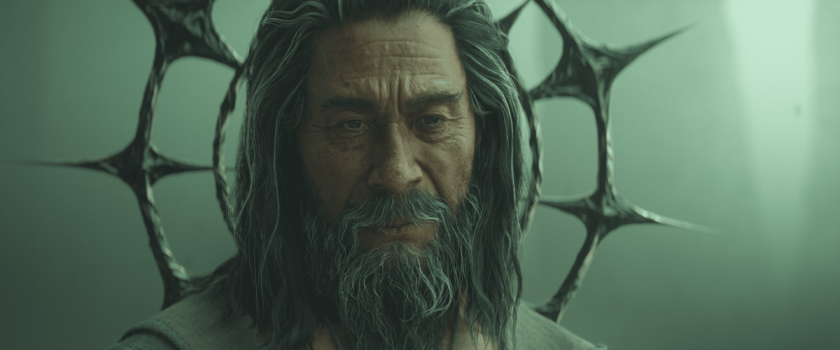
The characters benefit from that same level of care. Key figures are given room to breathe, with motivations that feel layered rather than purely functional. Relationships evolve in believable ways, and even familiar archetypes are given enough nuance to feel grounded within the world. It adds an emotional weight that helps anchor the larger, more operatic moments.
By the time it reaches its conclusion, the payoff feels earned. It is a finale that does not rely only on bombast, but on the weight of everything that came before. It ties together its threads with a sense of purpose that makes the journey feel complete while still leaving room for what comes next.
Gameplay
Gameplay in Lord of Hatred doesn’t feel like a simple iteration. After spending hours with it, it genuinely comes across as a full systems reset that finally brings Diablo IV in line with what it always hinted at. Blizzard Entertainment has clearly rethought how progression, customization, and combat fit together, and it is something I could feel almost immediately.
The biggest shift, at least for me, was the overhaul of the skill system. The trees are no longer padded with filler or meaningless stat bumps. Every point I spent felt deliberate, like it was shaping how my character actually played rather than nudging numbers upward. I found myself constantly tweaking my build, not out of necessity, but because the game finally makes experimentation feel natural and, more importantly, rewarding.
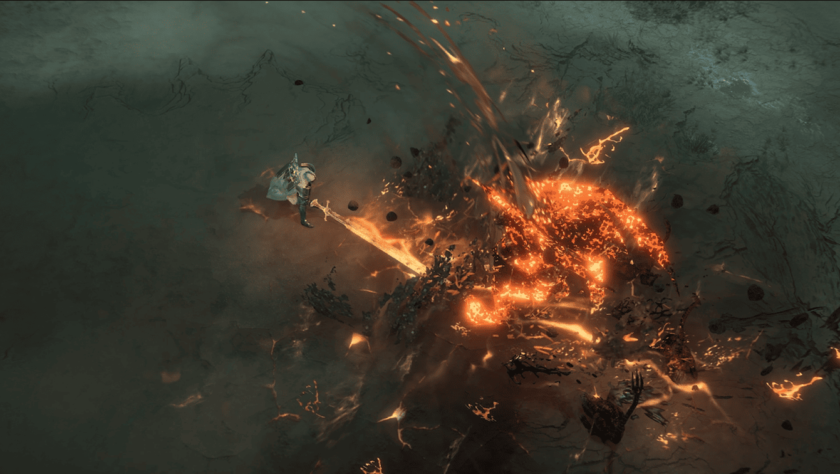
That sense of freedom carries into how skills interact with gear. It is not just about increasing damage anymore. I was actively changing how abilities behaved, leaning into synergies that felt designed rather than accidental. There is a cohesion here that the base game struggled to maintain. For the first time, I felt like I was building something personal instead of chasing an optimal template.
The new additions reinforce that loop in meaningful ways. Trying out the new classes gave me a clearer sense of how far this flexibility goes, since each one feels built around the idea of player expression rather than rigid roles. Even the new region plays into this, with encounters that pushed me to rethink my approach instead of just testing my damage output.
Progression also feels far more considered. As I moved deeper into the game, I always had something to work toward, but it never felt overwhelming or bloated. Systems layer into each other cleanly, and smaller improvements like better loot management made a bigger difference than I expected during longer sessions.
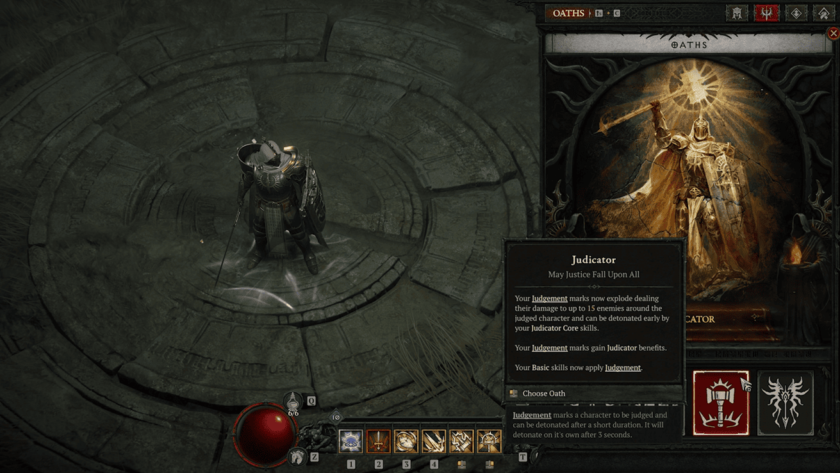
Endgame is where it all really clicked for me. Instead of aimlessly repeating activities, I felt like I had control over how I wanted to progress. I could shape the kind of challenges I took on and the rewards I was chasing, which gave the entire loop a sense of purpose that the base game often lacked.
What stayed with me the most, though, is how cohesive it all feels. Earlier versions of Diablo IV felt like systems stacked on top of each other. Here, everything feeds into flexibility and player choice. The revamped skills are the highlight. For the first time, I genuinely felt like the game was letting me play the way I wanted to, not the way it expected me to.
Visuals, Audio and Technical Performance
On the technical and presentation side, Lord of Hatred is a reminder of just how consistent Blizzard Entertainment can be when it comes to polish. Visually, the expansion builds on an already strong foundation, but it is the added detail and cohesion that stood out to me most during my time with it.
The new region immediately makes an impression, not just through scale, but through atmosphere. It feels distinct without clashing with the broader world, with environmental storytelling doing a lot of the heavy lifting. Character models, too, feel sharper and more expressive, especially during key story moments. That carries directly into the cinematics, which remain some of the best in the industry. The transitions between gameplay and cutscene are seamless, and the level of detail in facial animation and staging adds a weight to the narrative that is hard to ignore.
Audio design complements all of this quietly but effectively. The soundtrack leans into the darker tone without overpowering the experience, while ambient sound and combat effects add texture to moment-to-moment play. There is a clarity to everything, from the crunch of abilities landing to the subtle environmental cues, that makes the world feel grounded.
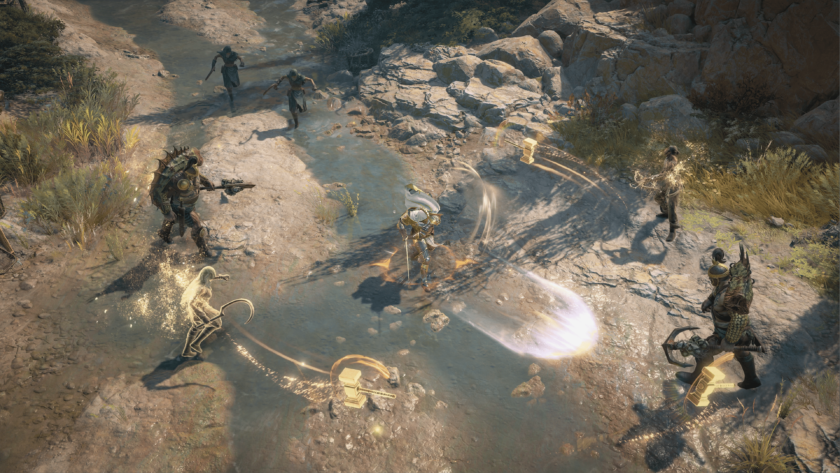
From a performance standpoint, my experience was largely smooth. Frame pacing held steady even in more chaotic encounters, and I did not run into anything that significantly disrupted the flow of play. There are still occasional minor hitches here and there, but nothing that takes away from the overall experience.
Taken together, it is a package that feels refined rather than flashy. It does not radically reinvent how Diablo IV looks or sounds, but it elevates every aspect just enough to make the entire experience feel more cohesive and, ultimately, more complete.
Final Thoughts
In the end, Lord of Hatred feels like the version of Diablo IV that was always just out of reach. Blizzard Entertainment has not reinvented the formula, but it has refined it in all the right places. The revamped skill systems, the added flexibility in builds, and the more purposeful endgame all come together to create something that feels confident and cohesive.
It is not without its rough edges. Some systems still carry traces of their older design, and there are moments where the pacing can falter. But those issues feel minor compared to how much the overall experience has improved.
What stayed with me the most is how natural it all feels now. Building a character, chasing gear, and pushing into the endgame no longer feel like separate parts. They feel connected, reinforcing each other in a way that keeps you engaged for the long haul.
10/10