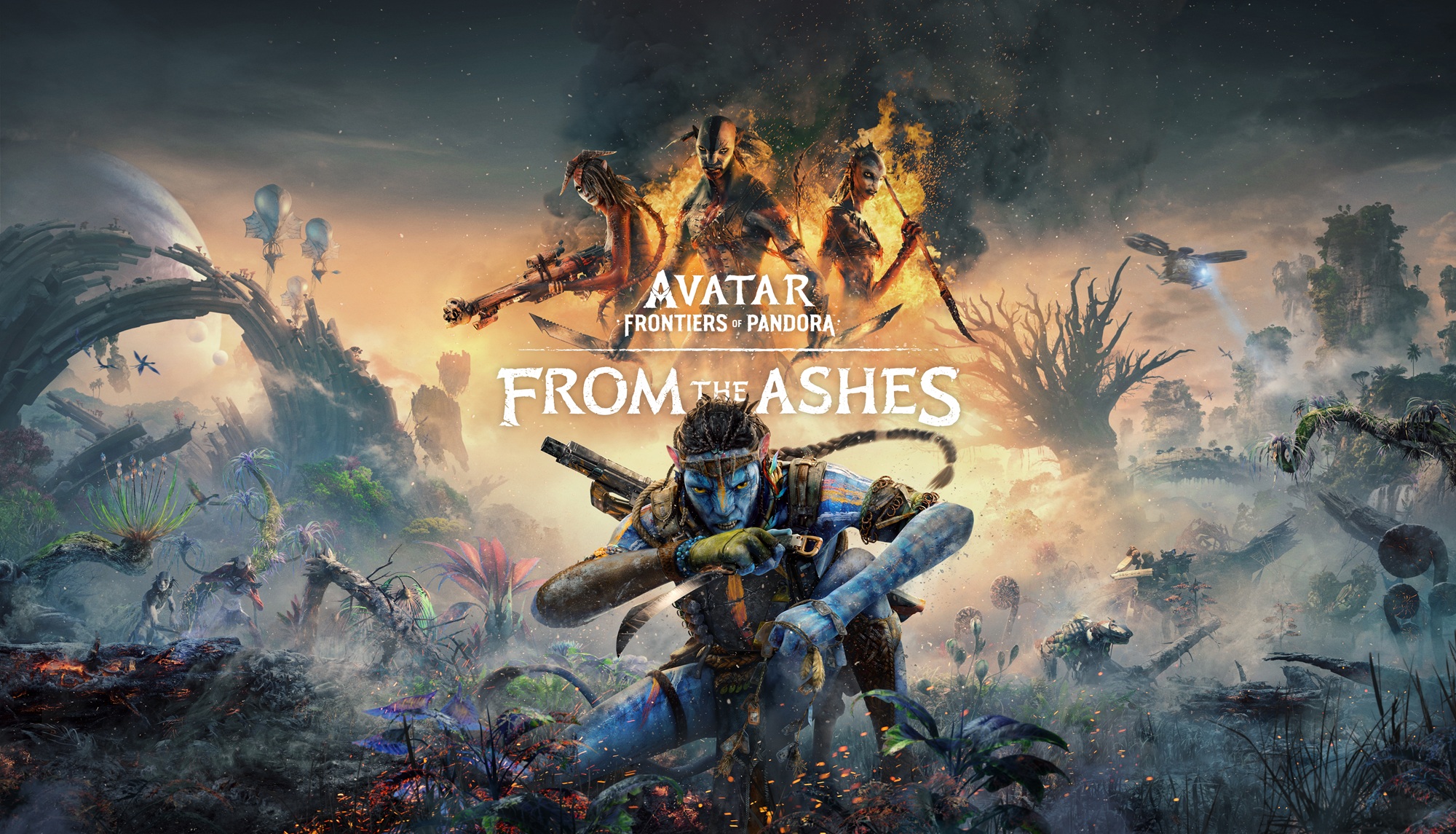
Pandora has always been one of the most iconic cinematic worlds ever created. James Cameron’s Avatar films introduced us to floating mountains, glowing jungles, and a vibrant ecosystem teeming with life. When Ubisoft’s Frontiers of Pandora came along, I was curious if a game could truly capture the scale, beauty, and wonder of Cameron’s vision. With the standalone expansion From the Ashes, I got a closer look and while the game hits many of the right notes, it also takes some creative liberties that distinguish it from the films.
A Living, Breathing Pandora
The first thing that immediately strikes you in From the Ashes is how vibrant and alive Pandora feels. Unlike the films, where we are mostly observers of the story, the game puts you directly into the world, letting you explore every corner at your own pace. Riding an Ikran across bioluminescent forests, diving through waterfalls, or soaring between floating mountains, I was constantly amazed by how immersive the environment feels. Every area has a sense of purpose and life, from the smallest patches of glowing flora to the towering jungle canopies that stretch endlessly into the sky.
The wildlife in Pandora adds a remarkable layer of authenticity. Predators hunt, herds move naturally, and even smaller creatures interact with their surroundings in ways that make the world feel truly self-sustaining. It is easy to forget that you are in a game when you pause to watch creatures migrate or observe a predator stalk its prey. These small touches make exploration feel rewarding beyond just completing objectives. Pandora does not just serve as a backdrop for the story. It is a character in its own right, constantly responding to your actions and the ongoing conflict.
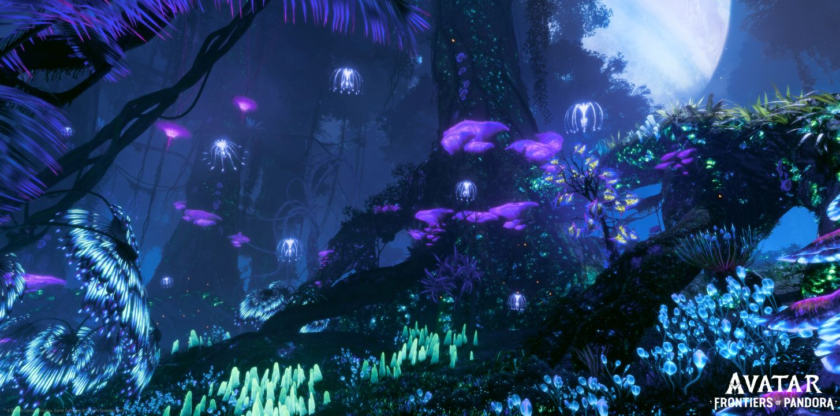
What impressed me the most is how the expansion balances beauty with interactivity. Glowing plants are not just for show. They guide you through dense areas or hint at hidden paths. The environment influences combat encounters and traversal, making every corner feel purposeful. Unlike the films, where awe comes from the cinematic lens, the game makes awe an experience you can actively participate in. You do not just admire Pandora. You become part of it.
From the dense forests to the floating mountains, From the Ashes captures the wonder of Pandora in a way that feels alive, expansive, and full of surprises. Each journey through its landscapes is different, whether you are exploring a quiet grove, stumbling across a hidden waterfall, or engaging in a skirmish with RDA forces. Ubisoft has crafted a world that is not only visually stunning but also deeply interactive, making Pandora feel like a living, breathing planet that you can inhabit, fight for, and marvel at in equal measure.
The Floating Mountains and Bioluminescence
One of Pandora’s signature features is its floating Hallelujah Mountains, and From the Ashes brings them to life in surprisingly interactive ways. I found myself gliding through them repeatedly, catching different lighting effects depending on the time of day. The bioluminescent flora is a joy to explore, and the glow is integrated into traversal and combat, guiding you through dense environments and highlighting key locations.
In the movies, these features are primarily cinematic, designed to awe and immerse audiences visually. In the game, they serve a dual purpose: awe-inspiring visuals and functional gameplay. While this makes the experience more interactive, it sometimes sacrifices the sense of otherworldly mystery that the films maintain.
Industrial Scars vs Cinematic Beauty
From the Ashes leans into Pandora’s darker side more than the films ever do. The RDA’s industrial footprint is everywhere. Mining rigs, factories, and scorched forests tell the story of conflict and exploitation. As I traversed these areas, the juxtaposition of natural beauty and human destruction added weight to the narrative. It is a reminder that Pandora is not just a backdrop but a battleground, a home under siege.
The films hint at these tensions but focus more on the personal and spiritual journeys of the Na’vi. The game, in contrast, makes you feel the environmental and strategic stakes firsthand, which adds immersion but changes the tone from wonder to tension in ways the movies rarely explore.
Characters: From the Ashes vs the Films
One area where From the Ashes both succeeds and falls short is in its characters. The expansion introduces So’lek, a battle-hardened Na’vi warrior who carries the scars of past RDA conflicts. Compared to the films, where Jake Sully and Neytiri’s arcs dominate the narrative, So’lek feels like a more personal lens through which to experience Pandora. I appreciated this choice because it gives players a clear motivation and stakes beyond simply following a generic avatar. The game allows you to engage with the world as someone who has already lived through the consequences of RDA exploitation, which adds narrative weight.

However, the character development in the game rarely reaches the depth seen in the films. Cameron’s movies invest heavily in emotional nuance and character relationships. Sully’s transformation from human outsider to Na’vi leader, Neytiri’s cultural guidance, and even secondary characters like Dr. Grace Augustine are multi-dimensional and drive both the plot and themes of environmentalism and colonialism. By contrast, So’lek’s journey is more functional than emotional. NPCs, allies, and even faction leaders feel underwritten at times. Many of the interactions are mission-driven and repetitive, which makes the narrative stakes feel less personal despite the expansion’s attempts at a more focused story.
Another point of contrast is how the films integrate character and environment. In Avatar, characters react to the world in ways that reinforce its living nature. Neytiri teaching Jake to climb trees or navigate the jungle is not just exposition; it conveys the culture, ecology, and philosophy of Pandora. In the game, while traversal and combat mechanics let players feel physically immersed, these moments lack the subtle storytelling present in the movies. You are controlling the character, but their emotional growth is largely implied rather than experienced.

That said, From the Ashes does make some improvements over Frontiers of Pandora. So’lek’s personal mission gives context to each objective, and cutscenes are better integrated with gameplay than in the base game. Voice acting is competent, and some secondary characters, particularly the Na’vi faction leaders, show hints of personality and ideology. Yet, the game rarely takes risks with character arcs. Most of the dialogue and interactions reinforce familiar tropes: revenge, resistance, and the classic “humans are the enemy” motif. The films, by comparison, balance these familiar themes with nuanced relationships and moral ambiguity.
The expansion’s characters serve the story efficiently and help drive gameplay, but they do not reach the layered, memorable heights of the film cast. So’lek is a step forward for player-driven perspective, yet the supporting cast and emotional depth often feel thin. The contrast highlights the challenge of translating cinematic storytelling into an open-world action game: you can make players feel the world, but making them feel the characters is a far harder task.
A Faithful but Distinct Pandora
Overall, From the Ashes does an impressive job of translating Pandora into a playable world. It captures the majesty, scale, and vibrancy fans expect while adding layers of interactivity and narrative that the films simply cannot. There are compromises, of course. Some areas feel empty, and gameplay sometimes takes priority over cinematic beauty, but these do not overshadow the joy of exploring this alien world firsthand.
For fans of the movies, the game offers a Pandora that feels faithful yet distinct. It is a world where you are not just observing, but living, fighting, and surviving. In many ways, it is Pandora as James Cameron imagined it, just with a little more agency and a few more scars.