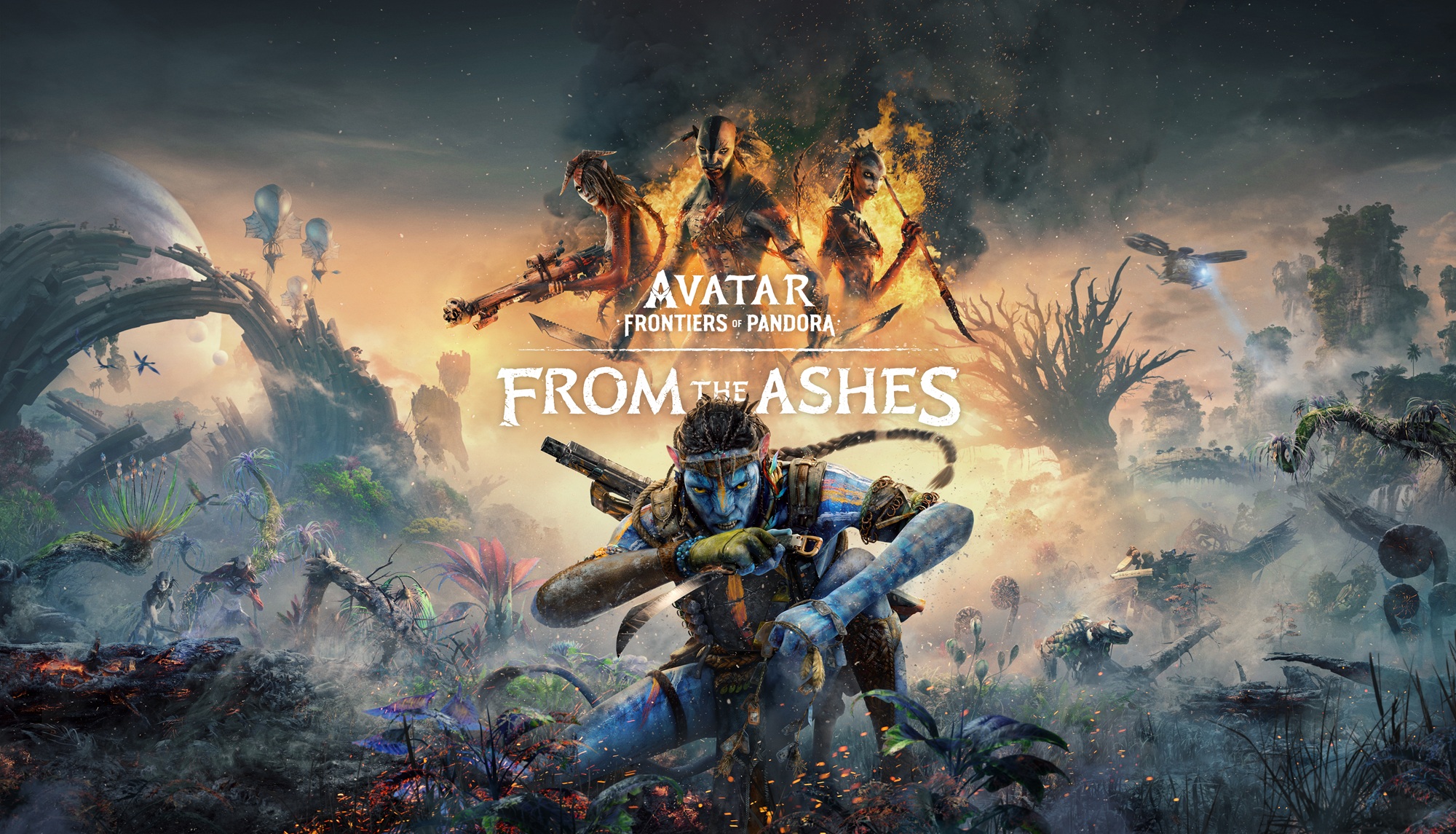
Going into Avatar: Frontiers of Pandora: From the Ashes, I had mixed expectations. The base game always impressed me visually, but it never shook the feeling that I was playing a familiar Ubisoft open-world loop wearing a gorgeous Pandora skin.
Jumping into From the Ashes, I immediately noticed the improvements, such as tighter pacing, more focused combat encounters, and a shift to third-person that gave me a better sense of presence in the world. But even as the expansion tries to push forward, it still feels tethered to the same design habits that held the original back. The story is more engaging, but the structure underneath remains predictable, and the progression rarely surprises.
So although From the Ashes is a better experience than what came before, it feels more like a refinement than a reinvention. If you were hoping this expansion would reshape Ubisoft’s take on Pandora from the ground up, the result might feel just a little too familiar, even when the jungle is burning and the stakes are higher than ever.
The Weight of Survival
From the opening act, From the Ashes signals that it wants to be more character-driven than the base game. Rather than playing as a blank slate Na’vi caught between cultures, you take on the role of So’lek, a seasoned warrior who has already lived through the consequences of RDA aggression. That change alone gives the narrative more weight, because the motivation is no longer abstract. The scars are personal, the stakes are immediate, and the game does not waste time establishing who the enemy is or why they need to be stopped.
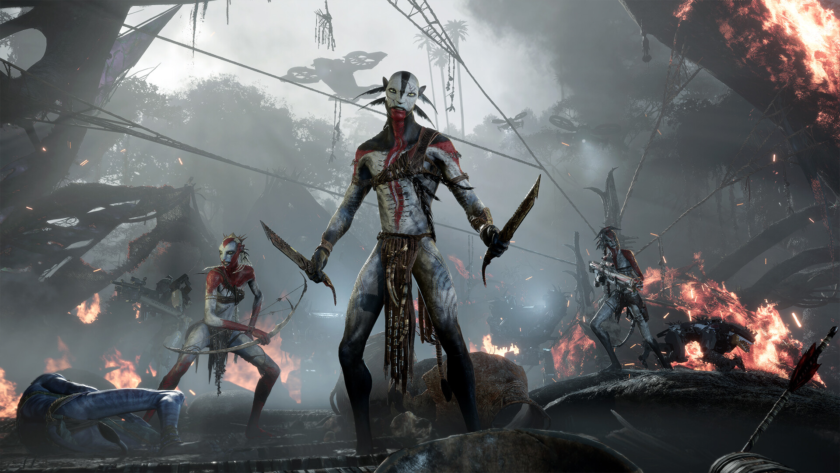
Even so, the storytelling still struggles to break out of predictable beats. The RDA is once again the unambiguous villain, the Na’vi factions are once again at odds, and your journey revolves around uniting them long enough to push back against a technologically superior threat. It works, but it works in the most expected way possible. There are emotional moments scattered throughout the campaign, and the performance capture helps, but the plot rarely subverts expectations or digs deeper into the philosophical clashes that define Cameron’s films.
Despite those limitations, the tighter narrative focus does help sustain momentum. Side content feels better integrated into the main conflict, and the expansion avoids the long stretches of tonal drift that affected the original campaign. By the time the final confrontation arrives, the story feels like it has earned its conclusion, even if I could see most of the beats coming from a mile away. In the end, From the Ashes tells a more engaging and personal story than its predecessor, but it still plays things safe and rarely challenges the player beyond the basics of revenge, unity, and resistance.
A More Focused Hunt
From a gameplay standpoint, From the Ashes feels like a second attempt at solving problems the base game never fully nailed. Combat is faster, more responsive, and more deliberate, especially with the shift to third-person. I found myself engaging with battles more frequently instead of trying to avoid them, which was a nice change from the original’s tendency to make encounters feel like speed bumps on the way to more sightseeing. Weapon variety also feels more meaningful, with bows and rifles each serving clearer purposes rather than feeling interchangeable.
Traversal remains one of the game’s strongest elements, and it is still the closest the experience gets to capturing the wonder of Pandora. Riding an Ikran through floating mountains, weaving between waterfalls, and diving beneath foliage never stopped being visually impressive. That said, the novelty wears off faster than I expected once the mission structure kicks in. The game continues to rely on familiar open-world objectives like clearing outposts, gathering resources, and dismantling RDA infrastructure. These tasks are fine in isolation, but there is not enough variation to keep them from blending together over time.
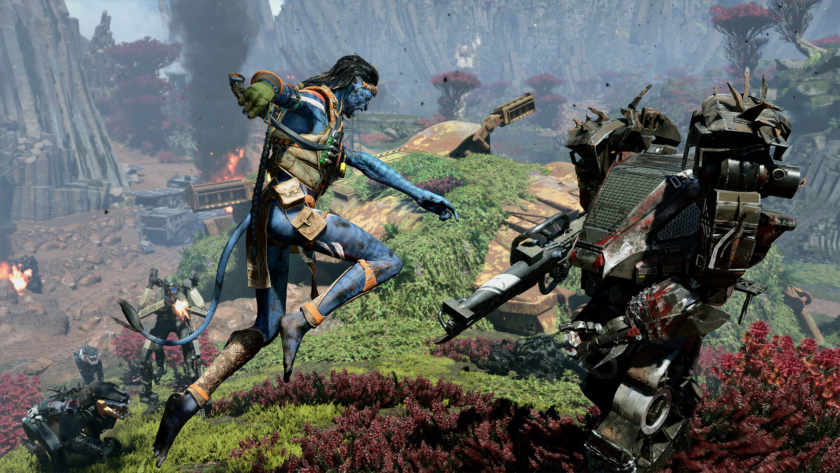
The upgrade and progression systems are also more streamlined this time around, although they still feel like they exist more out of obligation to the genre than genuine thematic integration. Crafting gear and improving loadouts serves a purpose, but it rarely alters how I approached encounters. Most of the time, the loop amounted to small percentage upgrades and incremental stat bumps rather than unlocking new playstyles or mechanics.
Overall, From the Ashes plays better than the base game, and when everything clicks the combat and traversal can be genuinely exciting. But once again, the systems are built on a foundation that is competent rather than ambitious. The improvements are noticeable, just not transformative.
Return to Pandora
he setting remains the undeniable star of the experience. Pandora continues to be one of the most visually striking and cohesively imagined worlds in modern games, and From the Ashes leans into that strength by pushing players into new regions scarred by RDA occupation. The contrast between the planet’s lush bioluminescent jungles and the industrial devastation left in the wake of human mining sites gives the expansion a stronger thematic backbone. I appreciated that the setting wasn’t just a backdrop this time. It visually communicates the stakes without spelling them out in dialogue.
Exploration still delivers moments that genuinely surprised me. Wandering into hidden groves, stumbling across wildlife trying to reclaim territory, or discovering remnants of Na’vi culture gave me the sense that Pandora exists independently of my objectives. But even with those improvements, the game sometimes struggles to justify its open-world scale. There are stretches of terrain that feel beautiful but underutilized, as if the art team’s ambition outpaced the mission design’s ability to fill the space with meaning or systems.
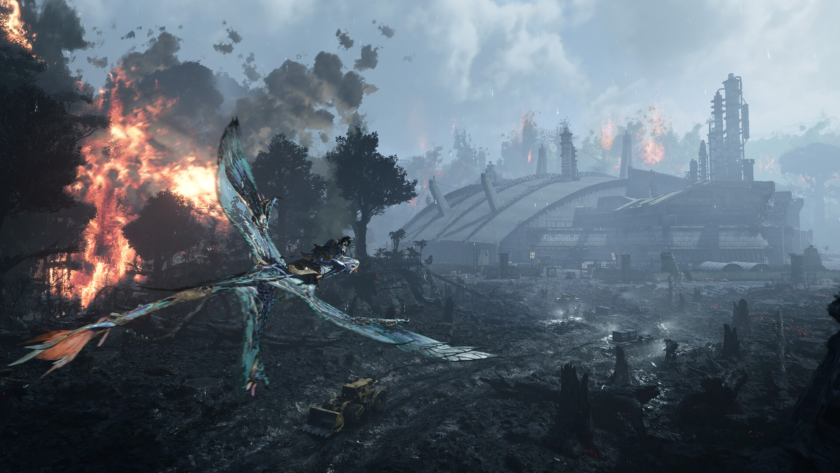
I also found the environmental storytelling a bit hit or miss. The strongest moments are subtle, like seeing vegetation slowly regrow around a liberated outpost or watching local wildlife cautiously return to an area I had just cleared. But those small touches coexist with large swaths of map that feel like they were designed mostly to connect one objective to the next. It is frustrating because the setting has the potential to do far more heavy lifting than it ultimately does.
In the end, the world of From the Ashes remains breathtaking to look at and surprisingly effective at conveying Pandora’s identity as both a sacred home and a battleground. It just doesn’t always receive the mechanical or narrative support it deserves.
Final Thoughts
After my time with From the Ashes, I came away impressed by how confidently Ubisoft has refined its take on Pandora. The narrative feels more focused and personal, combat finally has the weight and rhythm it was missing, and the switch to third-person grounds the experience in a way that makes exploration and encounters far more engaging. When the expansion finds its stride, it can be genuinely thrilling.
It still isn’t perfect. Pandora remains gorgeous but not always meaningfully utilized, and the mission design continues to lean on familiar open-world patterns that many players have seen before. The systems underneath do their job well enough, but they rarely surprise or push beyond established genre expectations.
Even so, From the Ashes ultimately lands in a strong place. It enhances the original game in smart ways, trims some of the excess, and delivers a more focused and satisfying adventure. Fans of the base game will appreciate how much smoother and more cohesive the experience has become, and newcomers may find this the best entry point into Ubisoft’s vision of Pandora. For me, it successfully rekindled my interest in this world and showcased a better, more confident version of an idea that was already compelling. It doesn’t reinvent the formula, but it absolutely elevates it.
8/10